Choosing the right Wi-Fi setup is a crucial decision for Indian homes. This guide, drawing insights from Engadget, helps you weigh mesh systems against traditional routers.
Deciding between a mesh Wi-Fi system and a traditional standalone router is a key consideration for many Indian households looking to upgrade their home internet, according to a recent report by Engadget. While most people instinctively lean towards standalone routers due to their lower cost, understanding the specific benefits of mesh systems can help you decide if the extra investment is truly worthwhile.
Mesh Wi-Fi's Core Strengths: Range and Device Handover
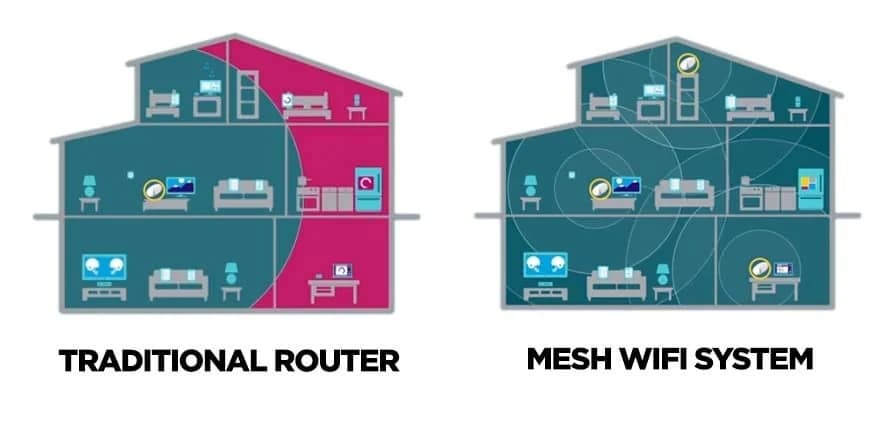
The primary advantage of mesh Wi-Fi systems lies in their extended coverage and how they manage devices. Each satellite router in a mesh network acts as a signal booster for the main gateway router, which connects to your modem. This distributed approach means a single system, like an Eero 7 two-pack mentioned by Engadget, can theoretically cover large areas, up to 4,000 square feet.
For homes needing even more coverage, adding another compatible mesh unit is straightforward. This contrasts with standalone routers, which offer a fixed coverage radius unless you purchase a separate Wi-Fi extender.
Another significant benefit of mesh systems is their automatic device handover. They operate under a single network ID (SSID), smoothly transferring devices from one unit to another based on proximity. This eliminates the need for manual network selection and prevents issues that can arise when devices on different networks try to communicate, ensuring more consistent speeds across your property.
Considerations Before Choosing Mesh Wi-Fi
While the advantages are clear, mesh systems do come with some trade-offs beyond just price. Engadget points out that because mesh products use unified SSIDs, you cannot assign separate network IDs for different frequency bands. Band steering is automatic, which can sometimes create problems.
For instance, some cheap 2.4GHz-only smart home accessories might struggle during setup if your phone is connected to the 5GHz or 6GHz band. Conversely, users cannot manually force bandwidth-hungry devices like PCs or VR headsets to the faster 5GHz or 6GHz bands for optimal performance.
Performance can also be a concern with more affordable mesh systems. In these setups, the backhaul (the connection between the routers themselves) sometimes shares the same wireless bands as your connected devices. This can lead to slower speeds across the network. Unless you opt for a tri-band or quad-band system, which dedicate a band for backhaul, the benefit of mesh might only be in filling dead zones rather than boosting overall speed.
When a Standalone Router Makes More Sense
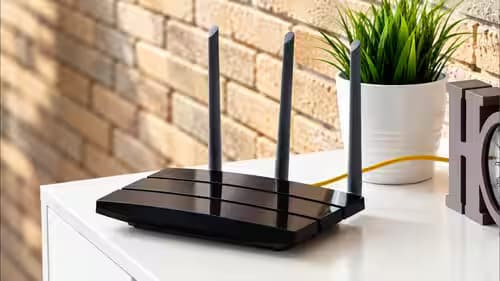
For many Indian apartments, a standalone router often provides ample coverage without the need for a mesh system. If you are not experiencing specific speed or range issues in your apartment, saving money or investing in a faster standalone router could be a better use of funds.
Standalone routers are generally much more budget-friendly. However, they can lead to dead zones or slow spots, particularly in multi-floor homes or areas with signal obstructions like metal and concrete walls. These obstructions are common in many Indian construction styles.
Making the Right Choice for Your Home
Engadget suggests that mesh systems are the obvious choice if you live in a multi-floor house or need Wi-Fi coverage in outdoor areas like a backyard, detached shed, or garage. For persistent interference, some mesh systems even offer the option to set up a wired Ethernet backhaul, providing a more stable connection between units.
There are also borderline situations, such as smaller multi-floor homes that might be adequately covered by a single, centrally placed router. To maximise a standalone router's performance, ensure it is positioned in an open, central location, free from obstructions that could degrade signal quality.
Ultimately, the decision balances cost against the size and layout of your home. For expansive or multi-story properties, the investment in mesh Wi-Fi will likely pay off in consistent coverage and better connectivity for all your devices. For smaller apartments, a powerful standalone router remains the most practical and economical choice for Indian buyers.