New reports highlight significant privacy concerns with robot vacuums, from mapping homes to potentially recording conversations. Indian buyers need to understand what data these devices collect and how to protect their personal space.
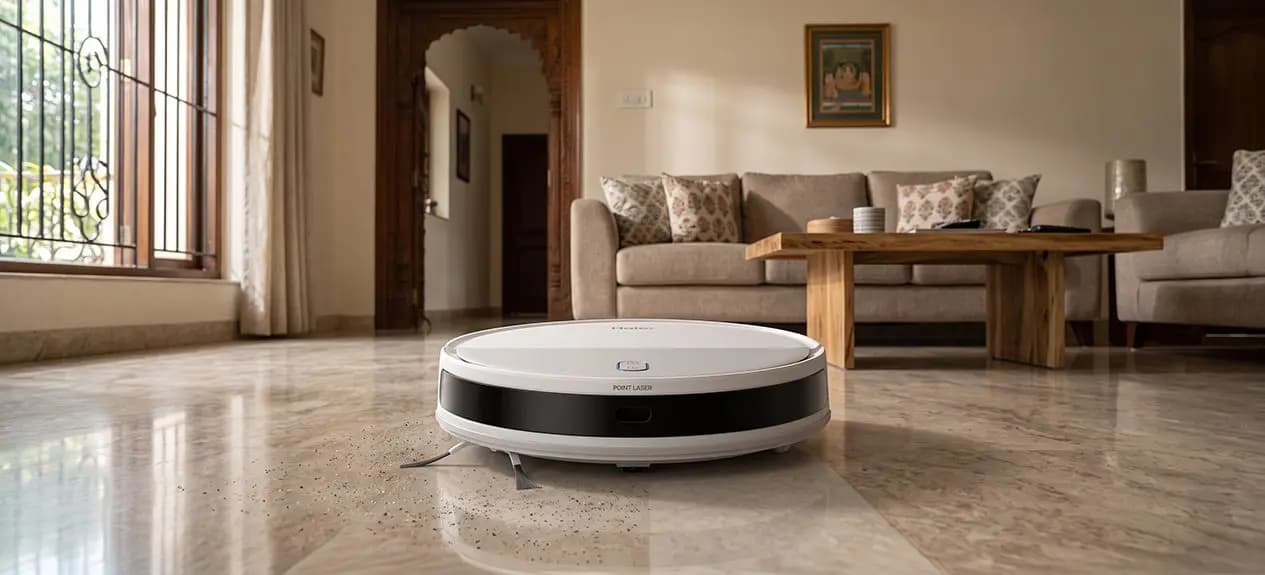
Robot vacuum cleaners, while convenient, can collect a surprising amount of personal data from your home, including detailed floor maps, cleaning histories, and in some cases, even video or audio. This information, according to Engadget, can be sent to manufacturers and raise serious privacy questions for Indian consumers.
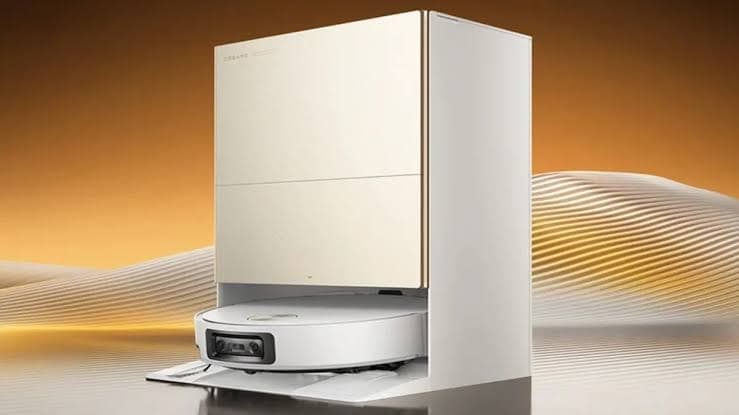
Many top-tier robot vacuum models come packed with features that enable them to process what happens inside your home. Some devices even include microphones or remote video viewing, essentially acting as low-riding drones. The exact data collected and its destination varies significantly by model and product.
Cloud connectivity adds another layer of complexity. Vacuums that allow remote monitoring of their progress often communicate via the manufacturer's servers. While generating floor maps or video can be useful, these features can inadvertently reveal information you might prefer to keep private from strangers.
It is important to understand that not every connected robot vacuum is covertly recording or sharing your home's layout. The core issue lies in distinguishing between necessary data collection for functionality and maintaining personal privacy. Companies often embed crucial details in lengthy, complex privacy policies, making it difficult for users to know precisely what is being shared, when, and why.
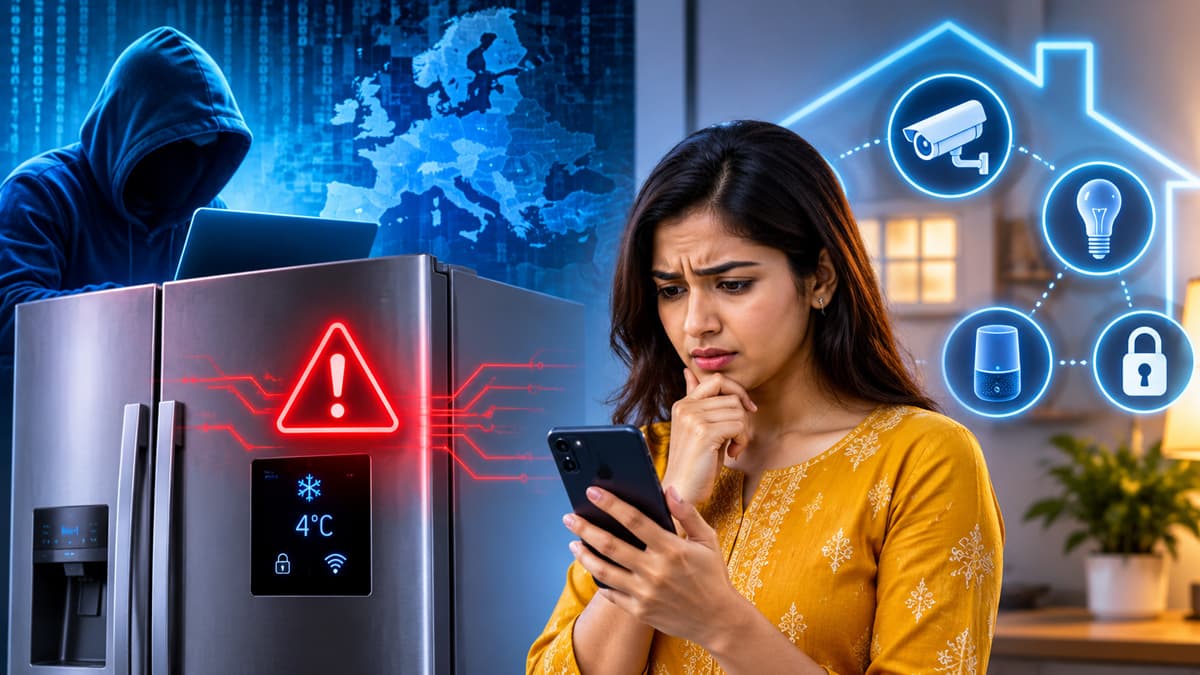
A recent controversy involving a DJI Romo vacuum highlighted these security risks. Sammy Azdoufal, while attempting to control his own device remotely, accidentally gained control and access to approximately 7,000 robot vacuum cleaners worldwide. This incident was a backend permission issue, where the server recognized a legitimate customer but failed to restrict access to their specific device.
DJI confirmed it resolved this particular security flaw by issuing two updates on February 10, 2026. While Sammy used Claude Code to reverse-engineer communications, AI itself was not the cause of the underlying weakness. The problem stemmed from inadequate security checks, which strong passwords alone cannot fix.
Beyond specific security breaches, everyday data collection by robot vacuums is a significant concern. A new robot vacuum might routinely send data to its manufacturer, encompassing cleaning activity, device status, floor maps, and detected objects. For instance, iRobot's privacy policy states that its connected models may transmit more than just floor maps, including room names, floor types, identified objects, the robot's movements, and Wi-Fi network details. This is a considerable amount of information that many users might not realize is being continuously streamed.
For Indian buyers considering a robot vacuum, prioritizing privacy is key. A privacy-friendly model should ideally minimize the data leaving your home. It is crucial to carefully read the privacy policy before making a purchase. Look for features like on-device navigation and image processing and understand what data these entail.
Mandatory cloud features, especially for core functionality, should be a red flag. Also, investigate how diagnostic data is shared. Choosing a camera-free model can reduce some exposure, though it may still create maps and send account information. Remember, a device without a camera does not automatically mean it collects no data.
The Matic robot vacuum offers a local-first approach that might appeal to privacy-conscious users. Its privacy policy states that maps are streamed to the app over your home Wi-Fi, with processing occurring on the robot itself. It also specifies exceptions, such as remote app use transmitting data through an encrypted cloud connection only with explicit consent, and authorized support sharing audio or video only with specific authorization. These are important details worth considering.
However, even a manufacturer's privacy policy, while outlining commitments, does not guarantee immunity from security flaws. Even if a company has no intention of sharing certain data, an attacker could potentially still gain access to existing stored information.
If you already own a robot vacuum cleaner, take proactive steps. Ensure you set a strong, unique password and enable two-factor authentication if available. Regularly update your device's firmware. If you encounter features like "remote viewing" that cause hesitation, disable them unless absolutely necessary. Being aware of these potential downsides is essential for protecting your home's privacy.