Chinese sellers are reportedly salvaging laptop GPUs and soldering them onto custom desktop boards, offering them as cheap alternatives. These "Frankensteined" graphics cards come with significant risks, including poor performance, no official support, and driver issues, making them a bad deal for Indian buyers.
In a worrying trend for PC enthusiasts and gamers, particularly in markets like India where budget-friendly components are sought after, reports indicate that Chinese sellers are creating and selling "Frankensteined" graphics cards. These units use laptop GPUs, normally sold as bare chips to OEMs, soldered onto custom desktop PCBs. This practice has resurfaced as GPU prices continue to climb, pushing desperate buyers towards seemingly attractive, low-cost options.
According to XDA Developers, who cited earlier reports from Tom's Hardware, the PC hardware market is seeing GPU prices skyrocket again. This makes a cheap listing for a big-name Nvidia or AMD card particularly tempting. The only card currently selling close to its manufacturer's suggested retail price is reportedly AMD's RX 9070 GRE, highlighting the current desperation among buyers.
How These "Frankensteined" GPUs Are Made
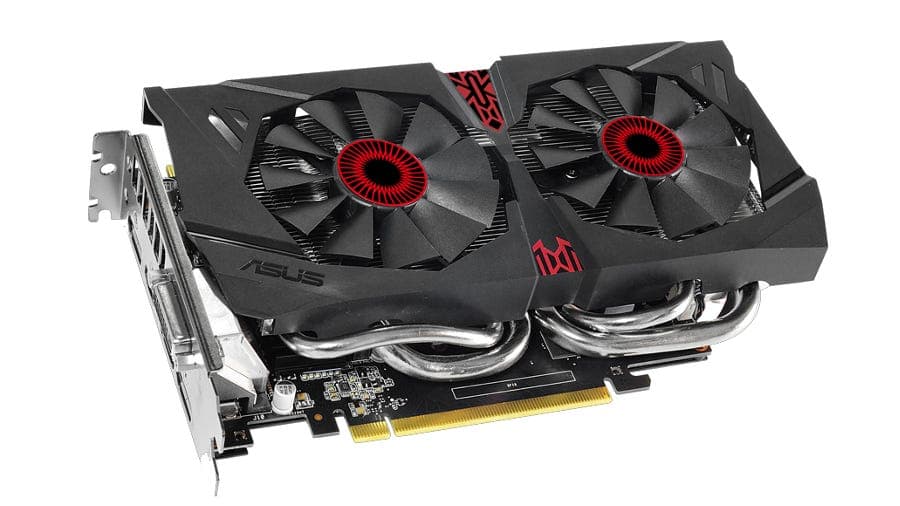
These unusual graphics cards are not new; the practice has been observed on Chinese marketplaces for years. Small workshops reportedly salvage laptop silicon, often from defective laptop motherboards or qualification samples, then solder these chips onto custom desktop PCBs. They are then fitted with a desktop cooler, display outputs, and shipped with a modified driver installer.
This modified driver is crucial because Nvidia's standard drivers cannot be installed on these unofficial cards. A Chinese creator named Jie Mou, who tested an RTX 4080 built this way in July 2026, confirmed that the chips are indeed salvaged laptop silicon. Tom's Hardware previously reported in 2024 that vendors would even sell cards with cracked GPU dies as finished products.
Why Indian Buyers Should Steer Clear
While the low price might seem appealing, especially for Indian consumers looking to build or upgrade a gaming PC without breaking the bank, these "Frankensteined" GPUs come with major drawbacks. They are widely available on international online marketplaces such as AliExpress, eBay, and Temu, which many Indian shoppers frequent.
Underpowered Performance
The primary issue is performance. Laptop GPUs are engineered with strict power and thermal budgets, which are far lower than their desktop counterparts. For example, the RTX 4080M tested by Jie Mou topped out at 100W, significantly below the mobile chip's own 175W TGP ceiling. For comparison, the desktop RX 9070 GRE reportedly outperformed this 4080M at higher resolutions in 7 out of 8 AAA titles tested.
No Official Support or Warranty
Nvidia and AMD do not sell these specific cards, which means they will not offer any service or warranty. Your only recourse would be the small online shop on a Chinese marketplace where the purchase was made. If the card arrives dead or fails shortly after, getting a replacement or your money back would likely be an uphill battle with little hope of success.
Driver Headaches
Official software stacks from Nvidia and AMD are typically unsupported. This leaves buyers reliant on the seller's own driver package or community-made projects. You will not get the official Nvidia app for a GeForce RTX card or AMD Adrenalin for Radeon graphics, which means missing out on crucial updates, features, and stability.
How to Spot a Fake GPU (If You're Risking It)
The best advice is always to avoid these products entirely. However, if the price is compelling enough for you to consider the risk, there are a few things to verify before buying:
- Check the Specs: A card labelled "RTX 4080" but featuring only 12GB of GDDR6X should raise an immediate alarm. Nvidia has never released a 4080 with those specifications. Always compare against official SKUs from board partners. Some transparent sellers might append an "M" to the SKU, but verification is still key.
- Inspect Power Connectors: If a card branded as a 4080 or 4090 uses an 8-pin power connector, it likely isn't drawing the power a true desktop card needs.
- Request GPU-Z Screenshots: Ask the seller for a screenshot from GPU-Z. Be aware, though, that these can be spoofed, making them less reliable than they once were.
- Run Your Own Benchmarks: After purchase, always run benchmarks like 3DMark Time Spy or the free utility FurMark before the return window closes. Compare your results against publicly available scores for genuine cards to detect any anomalous performance that warrants further investigation.
Ultimately, when a deal appears too good to be true, it almost always is. For Indian PC builders, investing in a genuine, supported GPU, even if it means waiting for better prices or saving a little longer, will save you significant headaches and potential financial loss in the long run.