A report indicates the NVIDIA RTX 2070 Super offers performance closest to the base PlayStation 5's graphics. This comparison is vital for Indian gamers deciding between PC and console amidst high component prices.
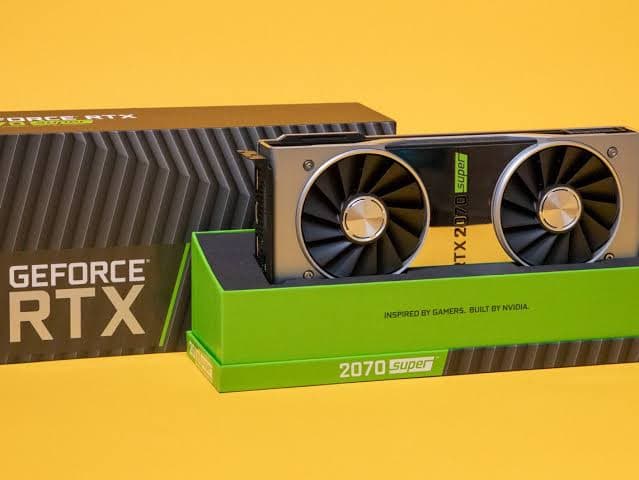
For gamers looking to match the PlayStation 5's graphics performance on a PC, the NVIDIA RTX 2070 Super is the closest equivalent, according to the frame-counting experts at Digital Foundry. This insight comes as component prices continue to make PC building a costly endeavor.
The RTX 2070 Super, a GPU that launched in 2019, is now three generations old by modern standards. Despite its age, the cheapest model of this seven-year-old card currently costs $280 on Amazon, according to Engadget's reporting. This price is significant, considering the source suggests consumers should look to the second-hand market for GPUs, as the cost of new cards is presently very high. For context, the PS5 Digital Edition is priced at $600, making the RTX 2070 Super's cost around 53 percent of the console's price.
It is important to understand that this isn't a straightforward "apples to apples" comparison. The PS5, much like the Xbox Series X, uses an APU or Accelerated Processing Unit. This single chip handles both GPU and CPU tasks, which is different from a discrete GPU in a PC. While the RTX 2070 Super has 8GB of GDDR6 memory, the PS5 boasts 16GB of system-wide GDDR6 unified memory.
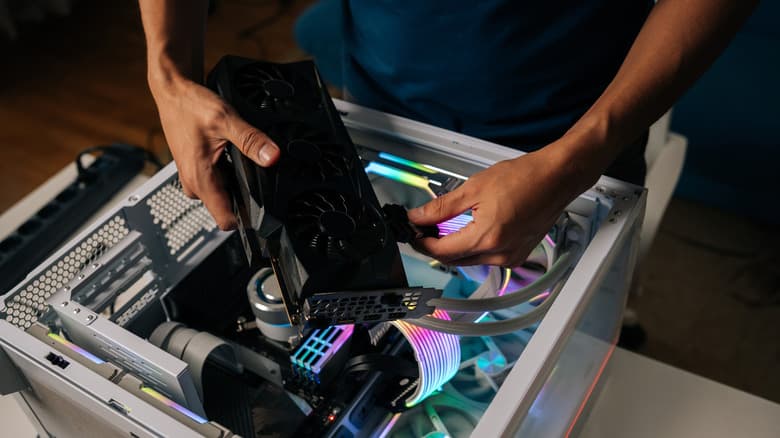
While the RTX 2070 Super can deliver PS5-level performance under specific conditions, achieving comparable overall performance in a PC setup demands more. Indian gamers building a PC would need to carefully consider the CPU and RAM pairing, as scrimping on these components could lead to performance bottlenecks, even with a powerful GPU.
Matching the PS5 Pro's Horsepower
The conversation shifts when we look at the beefier PlayStation 5 Pro. Launched in late 2024 at $700, its current price has inflated to $1,250, and it's facing a shortage, especially with GTA VI on the horizon. The PS5 Pro features a custom AMD Zen 2 8 core/16 thread "Trinity" APU, offering a significant GPU boost over the standard PS5, though the CPU improvement is only about 10 percent.
For PC enthusiasts aiming for PS5 Pro-level raw horsepower, Engadget highlights two comparable cards: the 16GB NVIDIA RTX 5060 TI model and AMD's Radeon RX 9060 XT. With the right settings and a capable gaming CPU, either of these cards can outperform Sony's prosumer console.
Speaking of newer GPUs, the fifth-generation NVIDIA GeForce RTX 5060 was reportedly the second-most used card in September 2026, holding a 4.40 percent market share according to the Steam Hardware & Software Survey. This lower-end Blackwell GPU features 8GB of GDDR7 memory and a base clock of around 2280 MHz. Currently, this card is hard to find for less than $500.
The RTX 5060 also supports the controversial DLSS 5, a feature that has generated much discussion online. For Indian buyers, these high-end PC GPUs translate to substantial investment, often exceeding the cost of the PS5 Pro once other components are factored in.
PC vs. Console: A Value Proposition for India
Comparing an open-ended PC setup to closed-source console hardware is inherently complex. Consoles like the PS5 and PS5 Pro benefit from custom AMD APU solutions, allowing developers to achieve impressive 60 FPS and near-4K results with smooth frame rates through optimized development. This simplicity is a major draw for users who want a hassle-free gaming experience, especially for titles like GTA VI.
For those prioritising 4K gaming without the complexity of PC building, and looking to spend less than $1,000, a PS5 remains a strong recommendation. The console is expected to last for years, offering good longevity for the investment. While mid-range graphics cards paired with decent gaming CPUs can deliver excellent performance, they generally come at a much higher overall cost than a console.
For Indian gamers weighing their options, the ease of use and optimised performance of a console like the PS5, despite its initial cost, often presents a compelling alternative to the potentially higher cumulative cost and setup complexities of a custom gaming PC, especially given current component prices.