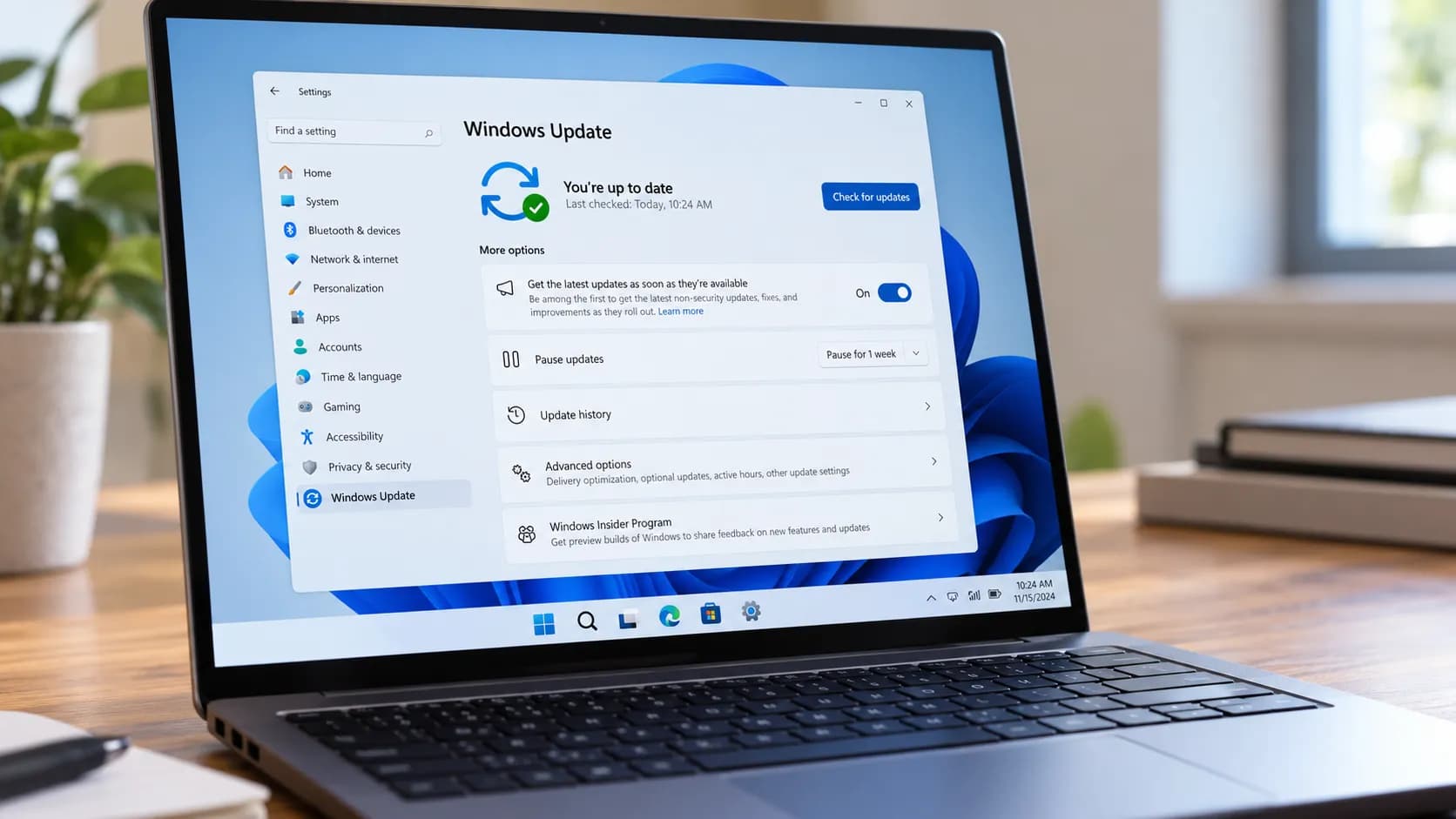
Microsoft is quietly ending Windows 11 support for devices running the Snapdragon 850 processor, with updates for the last supported version, 26H2, ceasing by October 2028. This affects older Windows on Arm devices like the Samsung Galaxy Book2, setting a precedent for future long-term support concerns.
Microsoft has quietly confirmed that Windows 11 support for devices powered by the Qualcomm Snapdragon 850 processor will end sooner than many owners might expect. According to XDA Developers, who dug through Microsoft's support pages, the recently released Windows 11 version 26H2 will be the last to support these chipsets.
This means devices like the Samsung Galaxy Book2, a 12-inch detachable from 2018, and the Lenovo Yoga C630, both of which were available in India, will see their Windows 11 Home and Pro updates conclude by October 10, 2028. Enterprise and Education editions will receive updates for an additional year, until October 9, 2029. After these dates, Snapdragon 850 machines will have no officially supported version of Windows to run.
The announcement came as a single line note added to Microsoft's Windows 11 lifecycle pages when version 26H2 shipped on September 29. XDA Developers noted that Windows Central was the first to spot this change, which arrived without a blog post or explanation.
This move is particularly notable because the Snapdragon 850 is officially listed by Microsoft as a supported Qualcomm processor for Windows 11. Previously, Windows 11 24H2 required an Armv8.1 processor, leaving the older Snapdragon 835 unsupported. However, the 835 was never officially on Microsoft's supported list for Windows 11, making the 850's deprecation a different scenario entirely.
Microsoft has not clarified if future Windows versions, such as 27H2, will simply stop offering updates or physically refuse to run on Snapdragon 850 hardware. Windows Central suspects 27H2 might be built on a new Windows platform version, but that remains unconfirmed.
Beyond OS version support, XDA Developers also highlighted two other 'clocks' ticking for Windows on Arm devices: firmware lifecycles and Secure Boot certificates.
Microsoft's Surface driver and firmware lifecycle page promises at least four years of updates for devices released before 2021, and at least six years for those released since. For instance, the original Surface Pro X models from 2019 and 2020, which included built-in LTE, stopped receiving firmware updates in August 2025. While firmware ending does not mean Windows OS feature and security updates stop, it becomes critical due to the third factor.
The third 'clock' involves Microsoft's Secure Boot certificates, which have been used since 2011 and began expiring in June 2026. The last significant certificate, which signs the Windows bootloader, expired on October 19. Devices that do not receive the necessary 2023 replacements can still start and install normal updates, but they cannot take advantage of new protections for the early boot process.
Microsoft has stated that some devices require a firmware update from the manufacturer to apply these new certificates, and these updates may only be available for devices still within their support period. This creates a potential security vulnerability for older Windows on Arm tablets if their firmware support has already ended.
Reports from owners on Microsoft's Q&A site and Reddit indicate that some Surface Pro X models, particularly the LTE variants, are facing issues receiving these critical security updates, with system messages citing 'hardware or firmware limitations'. While the Wi-Fi model of the Surface Pro X appears to be getting fixes, the situation for earlier SQ1 and SQ2 models is less clear, even though LTE models did receive a UEFI update in April 2024 to 'extends device security certificate authority'.
For Indian consumers, this news means that if you own an older Windows on Arm device, like a Galaxy Book2 or Yoga C630, its long-term viability for secure, updated Windows operation is limited. This also highlights the need for clearer, consolidated communication from Microsoft regarding the full lifecycle of its Windows on Arm hardware and software.