Gizmochina recently compared the upcoming iPad Mini 8 and Xiaomi Pad 7 Pro, highlighting their distinct approaches to tablets. Indian buyers will need to weigh portability and premium features against a larger screen and battery.
Gizmochina recently published a comparison of the yet-to-be-released iPad Mini 8 and Xiaomi Pad 7 Pro, detailing their differing approaches to the tablet market. While Apple focuses on a compact, premium experience, Xiaomi aims for a larger, feature-packed device at a potentially lower price. For Indian buyers, understanding these differences on paper is crucial, especially since local pricing and availability are not yet confirmed.
Compact Portability vs. Immersive Display
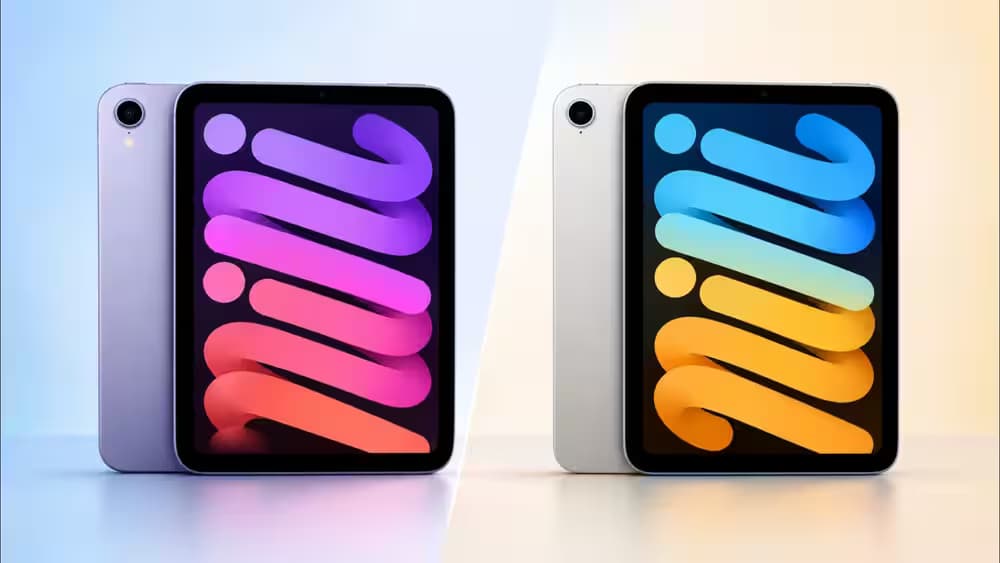
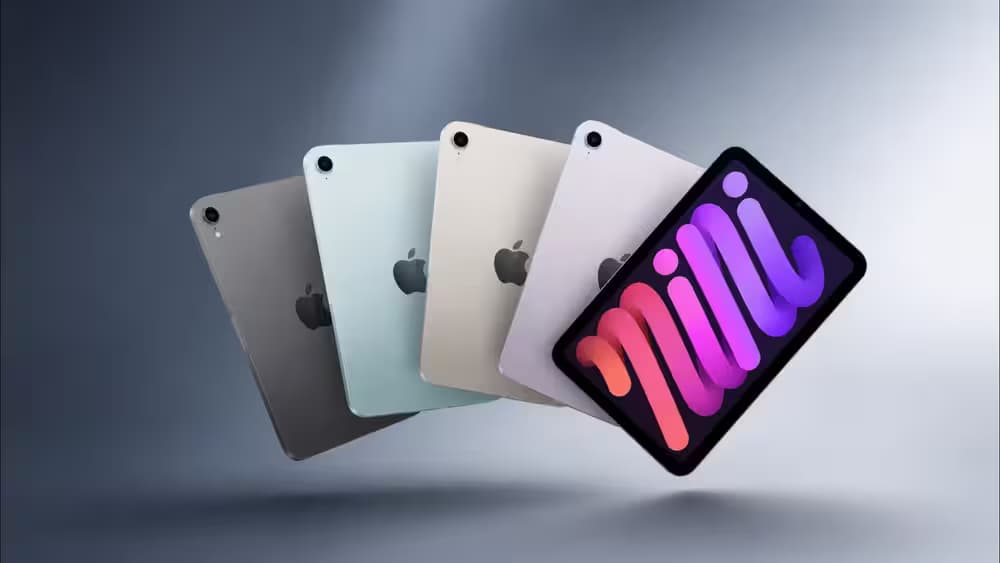
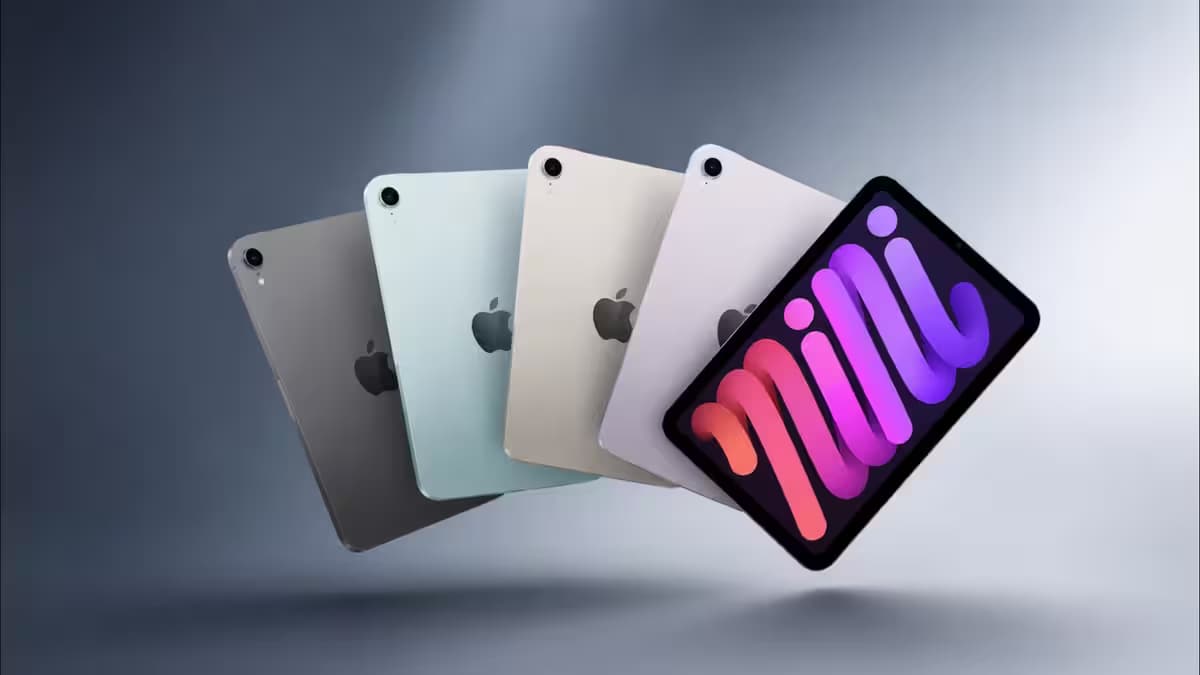
The iPad Mini 8 embraces a remarkably portable design, weighing just 255g and measuring 5.4mm thick. It features a glass front, aluminum back, and aluminum frame, along with IP67 dust and water resistance for added durability. This makes it an attractive option for users who prioritize single-handed use and protection during everyday commutes.
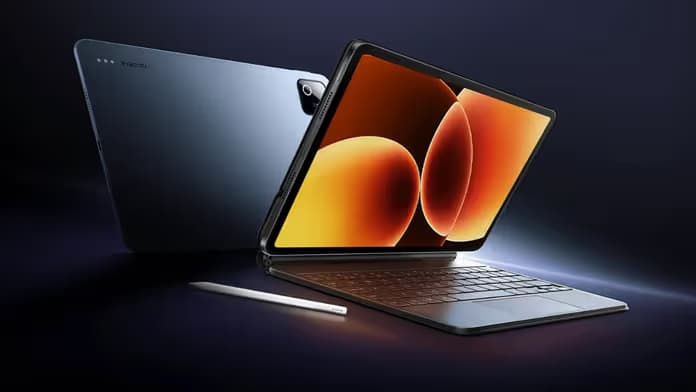
In contrast, the Xiaomi Pad 7 Pro is a larger, heavier tablet at 500g and 6.2mm thick, built with a similar glass front and aluminum construction. Its dimensions suggest it's better suited for desk use or two-handed entertainment. This is a clear trade-off: ultimate portability with the iPad Mini 8 versus a more expansive viewing area on the Xiaomi Pad 7 Pro.
Display Technology: OLED Brilliance vs. High Refresh Rate LCD
Apple's iPad Mini 8 boasts an 8.5-inch Super Retina XDR OLED display, offering a 120Hz refresh rate and a sharp 1512 x 2316 resolution. With up to 1200 nits of peak brightness, deeper blacks, and richer contrast, its OLED panel promises an excellent viewing experience. An anti-reflective coating further improves visibility, and the 512GB model even offers optional nano-texture glass.
The Xiaomi Pad 7 Pro counters with a larger 11.2-inch IPS LCD panel, which steps up to a 144Hz refresh rate and a higher 2136 x 3200 resolution. It supports HDR10 and Dolby Vision, though its peak brightness is 800 nits. On paper, the iPad Mini 8 wins for display quality and brightness, while Xiaomi offers substantially more screen space and a smoother refresh rate, making it better for immersive content consumption.
Performance and Software: Apple's Chip Dominance
Powering the iPad Mini 8 is Apple's A20 Pro chipset, built on an advanced 2nm process. It features a penta-core CPU configuration, with the 512GB version gaining an additional efficiency core, and all models come with a substantial 12GB RAM. This setup is designed for powerful performance, handling demanding applications and creative workloads with ease.
The Xiaomi Pad 7 Pro uses Qualcomm's Snapdragon 8s Gen 3, a capable 4nm chip with an octa-core CPU and Adreno 735 GPU. While still powerful, Gizmochina notes that Apple's newer processor architecture gives the iPad Mini 8 a considerable advantage in raw processing potential. For software, the iPad Mini 8 runs iPadOS 27.2, offering Apple's optimized ecosystem, while the Xiaomi Pad 7 Pro uses Android 15 with HyperOS 2, providing a flexible Android experience suited for its larger screen.
Battery Life and Charging Speed
Battery capacity is a significant differentiator. The iPad Mini 8 has a 4900mAh battery. While Apple's software optimization helps, this is relatively modest for a powerful tablet. It supports wired charging that can reach 50% in about 30 minutes, though the specific wattage is not detailed.
The Xiaomi Pad 7 Pro, on the other hand, packs a considerably larger 8850mAh battery. It also supports faster 67W wired charging with PD 3.0 and QC 3+ compatibility, allowing it to reach approximately 40% charge in just 20 minutes. For extended entertainment or productivity sessions, Xiaomi's larger battery and quicker charging certainly stand out.
Cameras and Audio: Multimedia Prowess
The iPad Mini 8 features a 12MP rear camera with f/1.8 aperture and autofocus, suitable for document scanning and casual photography. Its 12MP f/2.0 ultrawide front camera is great for video calls, capturing more people in the frame. It also supports 4K video recording at up to 60fps with gyro-EIS.
Xiaomi takes a different approach with a dual rear camera system, including a 50MP primary sensor with f/1.8 aperture and PDAF, plus an auxiliary lens. Its 32MP front camera offers higher resolution for selfies and video calls. Both tablets record 4K video at 60fps, but Xiaomi pulls ahead in audio with four speakers and Hi-Res audio support, making it more appealing for multimedia consumption.
What This Means for Indian Buyers
The comparison from Gizmochina clearly outlines two distinct choices. The iPad Mini 8 is for those who prioritize a compact, premium device with top-tier processing power and an excellent OLED screen, ideal for portable creative work or note-taking within Apple's ecosystem. The Xiaomi Pad 7 Pro appeals to users seeking a larger display for immersive entertainment and multitasking, a much bigger battery, faster charging, and a potentially more versatile Android experience, likely at a more accessible price point.
However, Indian buyers should hold off on making a decision until local pricing and exact availability for both tablets are announced. Without these crucial details, it's difficult to gauge their true value proposition against existing tablets in the Indian market. We'll be watching for official announcements regarding their India launch.