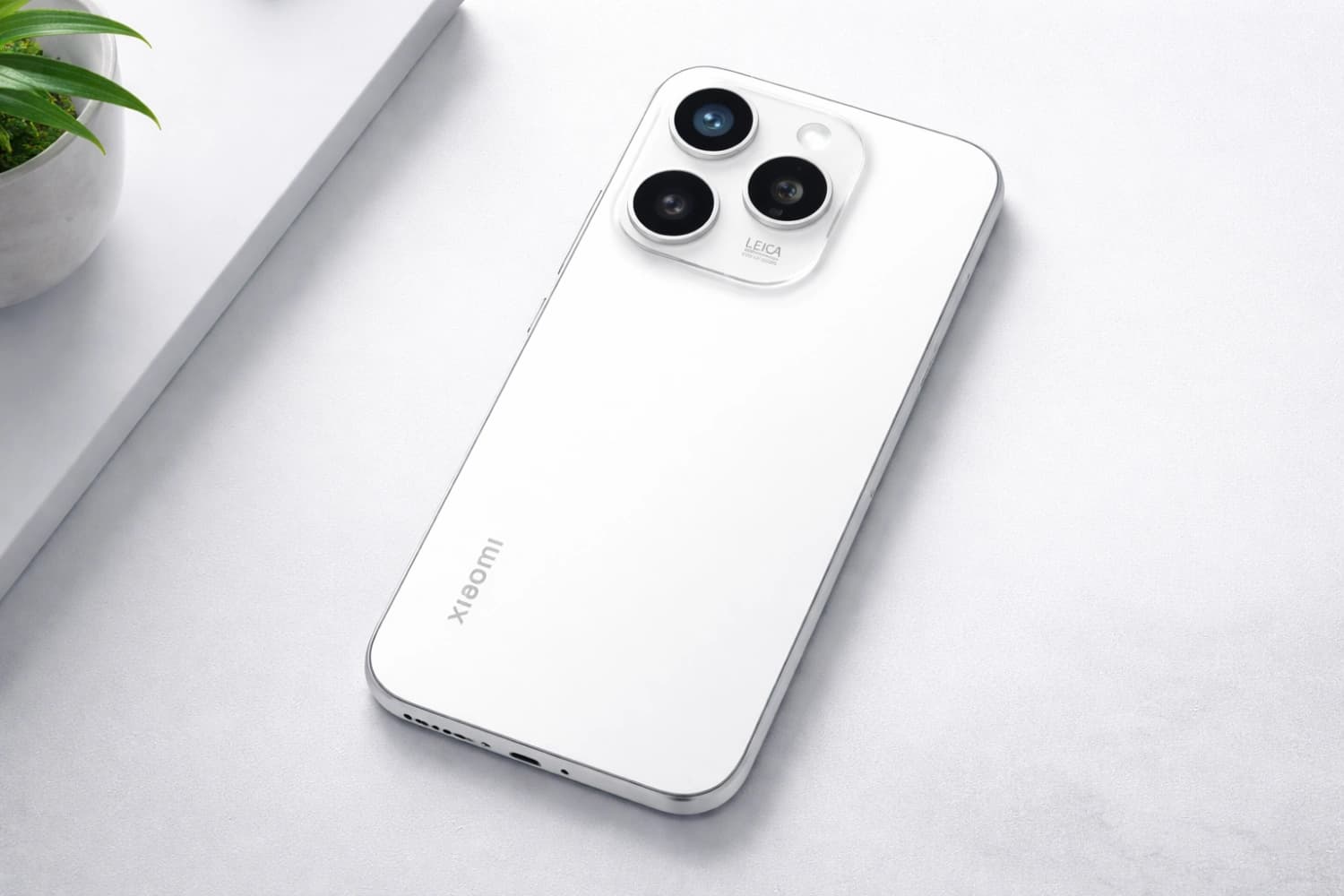
Gizmochina recently compared the upcoming Vivo X500 Pro Max and Xiaomi 17 Ultra, revealing significant differences in their displays, batteries, and camera systems. The Vivo model is expected to be ₹30,000 more affordable, making it a compelling option for Indian premium smartphone buyers.
A new comparison by global publication Gizmochina pits two upcoming flagship phones against each other: the Vivo X500 Pro Max and the Xiaomi 17 Ultra. Both devices aim for demanding users, but their approach to premium hardware, and especially their pricing, creates distinct propositions for Indian buyers.
The report highlights a significant price difference, with the Vivo X500 Pro Max expected to be around ₹1,00,000 ($1,000), while the Xiaomi 17 Ultra is positioned at a steeper ₹1,30,000 ($1,300). This ₹30,000 gap is a crucial factor when considering these high-end smartphones in the Indian market.
Premium Design and Durability
Both Vivo and Xiaomi are bringing premium builds to the table. The Vivo X500 Pro Max features Armor Glass protection, an aluminum frame, and a choice of glass or glass-fiber reinforced plastic for its rear panel. It also carries an IP68/IP69 certification for dust and water resistance.
The Xiaomi 17 Ultra also boasts a sophisticated design with an aluminum frame, a glass front, and options for a glass-fiber reinforced plastic or silicone polymer back. It adds an aerospace-grade glass fiber touch and matches the IP68/IP69 rating, with Gizmochina noting better water resistance on paper for Xiaomi, supporting immersion up to 6 metres.
Display Showdown: Vivo Takes the Lead
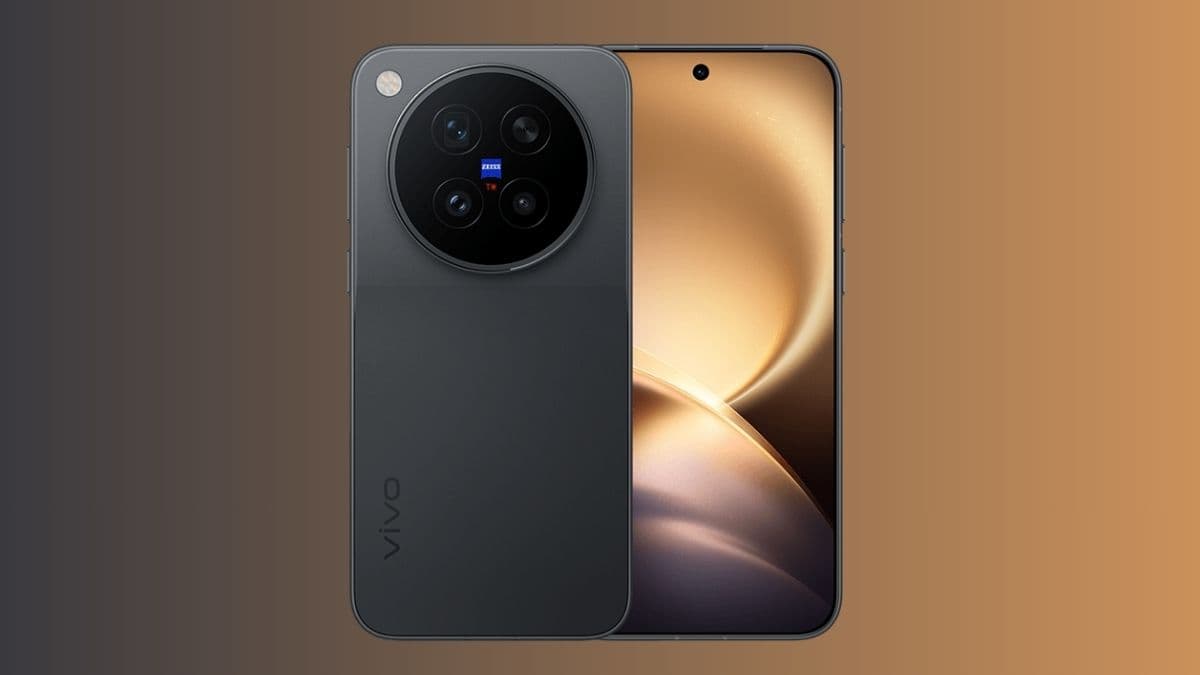
On paper, the Vivo X500 Pro Max appears to have the edge in display technology. It features a 6.85-inch LTPO AMOLED panel with a high 144Hz refresh rate, 1440p resolution, and support for Dolby Vision and HDR10+. Its advertised 4,400-nit peak brightness also promises excellent outdoor visibility, a useful feature in India's bright conditions.
The Xiaomi 17 Ultra counters with a slightly larger 6.9-inch LTPO AMOLED panel, supporting 68 billion colours, Dolby Vision, and HDR10+. However, its 120Hz refresh rate and 1200p resolution put it behind the Vivo model in terms of sharpness and smoothness. Its 3,500-nit peak brightness, while still very good, is lower than Vivo's advertised figure.
Performance: Flagship Chips from MediaTek and Qualcomm
Under the hood, the Vivo X500 Pro Max is set to run on the 2nm MediaTek Dimensity 9600 Pro, paired with a Mali-G2-Ultra-NX GPU. It will offer up to 16GB RAM and 1TB UFS 4.1 storage. Vivo also promises five major Android updates, which is excellent for long-term use.
The Xiaomi 17 Ultra, on the other hand, opts for Qualcomm's Snapdragon 8 Elite Gen 5, coupled with the Adreno 840 GPU, also offering up to 16GB RAM and 1TB UFS 4.1 storage. Both chipsets belong to the flagship performance category, meaning users can expect strong capabilities for gaming, multitasking, and AI-driven tasks. Xiaomi's Snapdragon platform offers an established high-performance ecosystem.
Battery Life: Vivo's Clear Advantage
Battery capacity is a major differentiator. The Vivo X500 Pro Max packs a massive 7,800mAh battery in its global version, supported by 90W wired and 40W wireless charging. It also supports reverse wireless and wired charging. This larger battery makes the Vivo X500 Pro Max particularly appealing for heavy users in India who spend extended periods gaming, streaming, or travelling without consistent access to a charger.
The Xiaomi 17 Ultra features a smaller 6,000mAh battery, though it matches Vivo's 90W wired charging and offers faster 50W wireless charging, alongside reverse wired and wireless charging. For those prioritizing raw endurance, the Vivo clearly holds an advantage.
Camera Systems: Xiaomi's Leica Edge
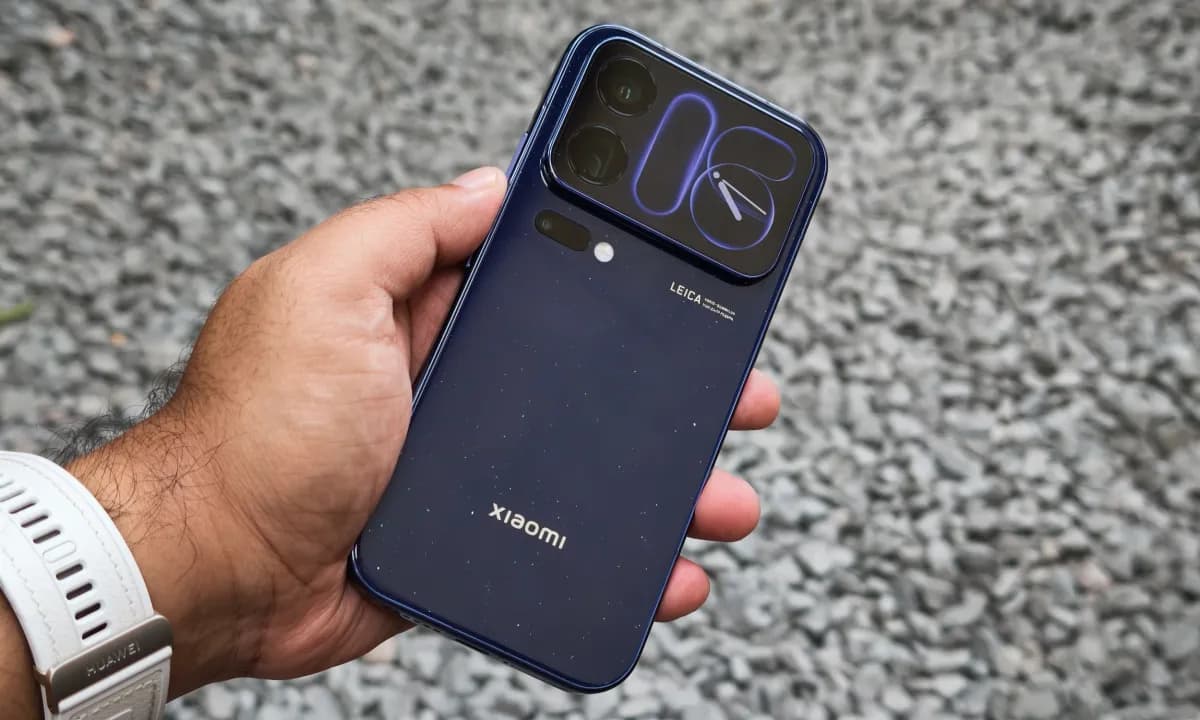
For photography enthusiasts, the Xiaomi 17 Ultra appears to have a hardware advantage, according to Gizmochina. It features a 50MP main camera with a larger 1-inch-type sensor, which can capture more light for better performance in various conditions. Its 200MP periscope camera offers continuous optical zoom between 3.2x and 4.3x, and a 50MP ultrawide camera includes autofocus. The Leica lenses, a dedicated zoom ring, and a TOF 3D sensor further distinguish its camera system.
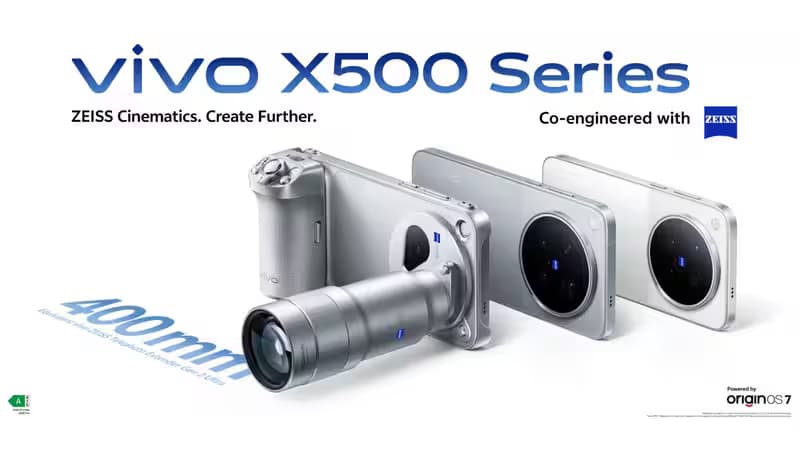
The Vivo X500 Pro Max offers a strong camera package as well, with a 50MP main camera with OIS, a 200MP periscope telephoto camera providing 3.5x optical zoom, and a 50MP ultrawide lens. It incorporates Zeiss optics, T* lens coating, and laser autofocus, making it a versatile option.
Both phones feature 50MP autofocus selfie cameras with 4K video recording. While the Vivo X500 Pro Max has a wider f/2.0 aperture, the Xiaomi 17 Ultra includes panorama and gyro-EIS for improved video stability, potentially making it slightly more versatile for users who frequently record themselves.
What This Means for Indian Buyers
The ₹30,000 price difference between the Vivo X500 Pro Max (around ₹1,00,000) and the Xiaomi 17 Ultra (around ₹1,30,000) is substantial. If your priority is a long-lasting battery, a superior display on paper, and longer software support, the Vivo X500 Pro Max looks like a compelling option at a more accessible flagship price point.
However, if top-tier camera hardware with a larger main sensor, continuous optical zoom, and the Leica imaging system is crucial for your photography needs, the Xiaomi 17 Ultra might justify its higher cost. It's a trade-off between battery life and display quality versus advanced camera versatility and the established Snapdragon ecosystem.