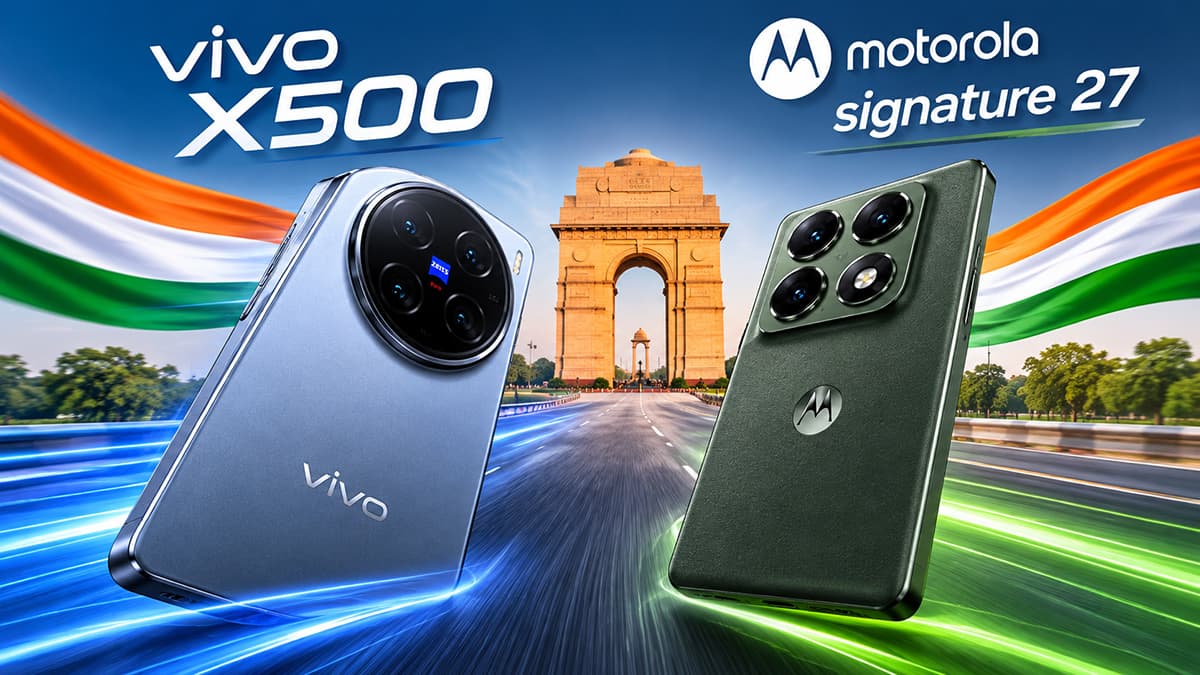
Vivo has officially confirmed its X500 series launch for November 26, while Motorola, iQOO, Xiaomi, OnePlus, and Oppo are also bringing high-end smartphones to India by early 2027, according to The Financial Express. This influx targets deep-pocketed consumers amidst rising prices.
Vivo has officially confirmed the India launch of its flagship X500 series for November 26, kicking off a wave of premium smartphone introductions expected over the next few weeks. According to The Financial Express, brands like Motorola, iQOO, Xiaomi, OnePlus, and Oppo are also gearing up to bring their high-end devices to Indian consumers as the calendar year closes.
This aggressive push into the upper-midrange and flagship segments comes despite rising smartphone prices in India, driven by higher bill-of-materials costs, advanced 2nm silicon, and currency pressures, The Financial Express reports. Handset makers seem keen to target deep-pocketed buyers rather than focus on budget offerings.
Vivo X500 Series: India Launch November 26
Leading this winter launch season is Vivo, which is bringing three distinct models to India. The entry-point standard Vivo X500 is tipped to feature a 6.59-inch 1.5K AMOLED display with a 144Hz refresh rate, powered by the MediaTek Dimensity 9600M chipset and a substantial 7,500mAh battery.
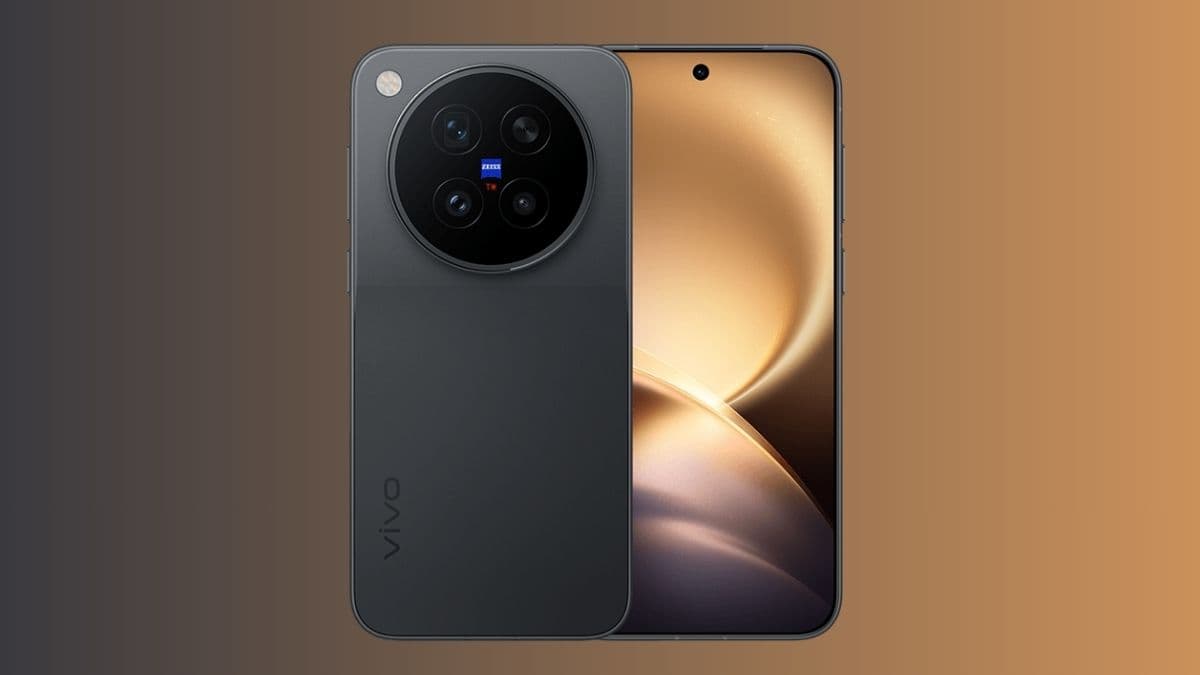
Stepping up, the Vivo X500 Pro will run on the 2nm MediaTek Dimensity 9600 Pro chip, paired with a compact 6.36-inch display and a 6,510mAh battery. Its ZEISS-backed rear camera array reportedly includes a 50MP main sensor, a 64MP APO telephoto lens, and a 50MP ultra-wide shooter.
At the top, the Vivo X500 Pro Max boasts an expansive 6.85-inch 2K display and the Dimensity 9600 Pro processor. It's expected to feature a massive 7,800mAh battery for the Indian market. Photography enthusiasts might appreciate its upgraded 200MP ZEISS APO telephoto camera and exclusive compatibility with an optional 400mm ZEISS telephoto extender kit.
All three Vivo X500 models are set to ship with Android 17-based OriginOS 7 and support 90W wired alongside 40W wireless charging. While official pricing will be revealed at launch, industry leaks suggest the lineup could start above the Rs 1 lakh mark, positioning it against pricey new iPhones.
Motorola Signature 27: December 9 Arrival
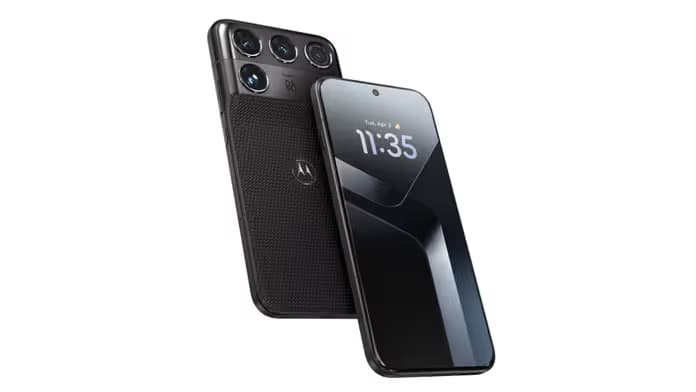
Motorola is also joining the early December rush, set to launch the Motorola Signature 27 in India on December 9. This phone marks a significant leap upmarket, powered by Qualcomm’s 2nm Snapdragon 8 Elite Extreme Gen 6 chipset, alongside LPDDR5X RAM and UFS 4.1 storage.
The Signature 27 is expected to sport a 6.8-inch Extreme AMOLED display with a 120Hz refresh rate, Gorilla Glass Ceramic 3 protection, and a manufacturer-claimed peak brightness of 12,000 nits. For optics, it packs a DXOMARK Gold-certified triple rear camera setup, featuring a 200MP sensor alongside dual 50MP lenses, and a 50MP front camera.
Other notable features include a 7,000mAh silicon-carbon battery with 90W wired and 50W wireless charging, IP68/IP69 durability ratings, and Android 17-based Hello UI with seven years of OS updates. With a global starting price of $1,599 (approximately Rs 1.48 lakh), the phone is expected to target the Rs 1.5 lakh segment in India.
iQOO 16 and Xiaomi 18 Pro: December Debuts
Vivo’s performance-focused sub-brand iQOO is preparing to bring its iQOO 16 flagship to India in December, with an Amazon India microsite already live. Already launched in China, this phone is built around a 6.85-inch 2K AMOLED screen with a 165Hz refresh rate and Qualcomm’s Snapdragon 8 Elite Extreme Gen 6 processor. What sets the iQOO 16 apart is its colossal 8,400mAh battery, paired with 100W wired and 40W wireless charging. The camera setup includes a triple 50MP rear camera setup and a 32MP front shooter, while the Indian variant is tipped to run OriginOS 7 on top of Android 17.
Xiaomi is also looking to re-establish its presence in India’s ultra-premium tier with the Xiaomi 18 Pro, widely expected to debut in December following recent teasers. Already launched in China, the phone stands out with a secondary 2.7-inch rear display for notifications and high-resolution selfie previews, complementing its 6.4-inch front AMOLED panel. Under the hood sits the Qualcomm Snapdragon 8 Elite Gen 6 chip, backed by a 6,000mAh battery supporting 90W wired and 50W wireless charging. Camera hardware is another major draw, featuring dual 200MP sensors paired with a 50MP ultra-wide lens, running on HyperOS 4.
OnePlus 16 Series and Oppo Reno 17 Series Also Incoming
OnePlus is reportedly lining up two contenders for a launch window spanning late December to early 2027. The flagship OnePlus 16, based on its Chinese counterpart, pairs the Snapdragon 8 Elite Extreme Gen 6 chipset with a 6.78-inch LTPO OLED display capable of hitting a 185Hz refresh rate in supported games, a 200MP primary camera, and an enormous 9,000mAh battery. Meanwhile, the more accessible OnePlus 16R is tipped to feature the Snapdragon 8 Elite Gen 5 processor, a 165Hz display, triple 50MP rear cameras, and a battery exceeding 7,500mAh.
Rounding out the upcoming launches is Oppo’s Reno 17 series, tipped for an early January 2027 arrival in India. Reports indicate Oppo will bring the standard Reno 17 and a budget-friendly Reno 17c to Indian consumers, skipping the Pro variant. The standard Reno 17, already unveiled in China, features a 6.56-inch display, though further specifications for the Indian model are not yet detailed in the report.
With such a crowded launch schedule for premium phones, Indian consumers will have a wide range of choices if they are looking to upgrade to a high-end device. However, the expected price tags, potentially starting above Rs 1 lakh for some, mean these won't be casual purchases. It will be interesting to see how these new flagships perform against established players, especially with brands packing in features like record-breaking battery capacities, top-shelf processors, and advanced camera systems to justify the steeper prices, as noted by The Financial Express.