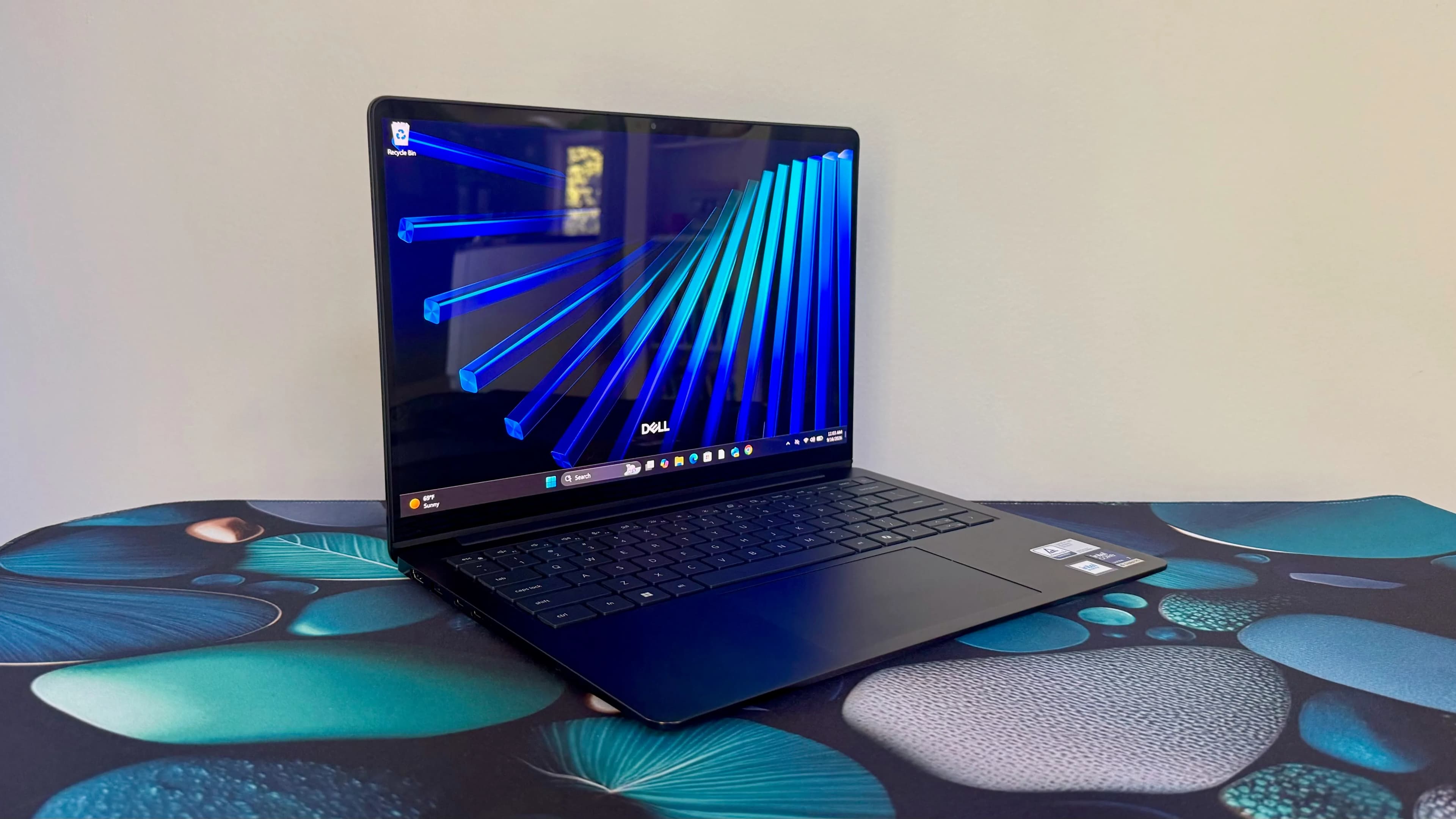
Qualcomm unveiled its Snapdragon X2 Plus SoC, a new Googlebook platform, and expanded Linux support at the Snapdragon Summit 2026. This includes new Microsoft Surface devices with the X2 Plus, hinting at the next wave of AI PCs.
Qualcomm has pulled back the curtain on its new Snapdragon X2 Plus SoC, a new Googlebook laptop platform, and native Linux support for its Snapdragon X PCs at the Snapdragon Summit 2026 in Maui. This marks a significant step for the company's compute strategy, moving beyond just Windows on Arm to a more OS-agnostic approach, as reported by Counterpoint Research.
Googlebook: A New Laptop Category for Android Users
Perhaps the most intriguing announcement for Indian consumers is the arrival of Googlebook, a new category of laptops. Developed in close collaboration with Google, Googlebook integrates Gemini Intelligence and offers deep integration with Android devices. This means features like Magic Pointer and Rambler, designed for easier voice typing and on-screen information interaction, along with Files AI for simpler file management, could soon be available on a new breed of laptops.
Interestingly, the first-generation Googlebook will use the Snapdragon X Elite chip, not the newer X2. Counterpoint Research suggests this likely reflects the multi-year engineering cycle behind the platform, rather than any compromise on capability. For Indian users, Googlebook could carve out a new niche between traditional Windows laptops and Chromebooks, offering a deeper Android ecosystem experience than ever before.
Microsoft Surface Devices Get Snapdragon X2 Plus
Microsoft, extending its partnership with Qualcomm, also announced new devices powered by the Snapdragon X2 Plus SoC. These include the Surface Laptop 13-inch and the Surface Pro 12-inch. The Surface Pro 12-inch will also be offered in a 5G variant, making it an always-on, always-connected device. Its fanless design highlights the platform's focus on performance and power efficiency.
While specific India availability and pricing aren't confirmed, Surface devices typically make their way to the Indian market. The 5G connectivity on the Surface Pro 12-inch could be particularly appealing to Indian professionals who rely on mobile internet for productivity on the go, offering a more stable and integrated experience than tethering.
The Shift to Agentic AI and Broader OS Support
Qualcomm's VP of Product Management for Compute, Nitin Kumar, stressed that the focus for AI performance is shifting beyond mere NPU TOPS. He explained to Counterpoint Research that the entire system, including the CPU, GPU, NPU, memory bandwidth, silicon architecture, software, and operating system, contributes to real-world AI performance. The Snapdragon X Series platforms are specifically designed to handle always-on, efficient, low-power AI workloads running in the background, a shift towards what Counterpoint Research calls the 'agentic AI era' where AI agents proactively perform tasks. This approach balances on-device AI, running locally on the Snapdragon Hexagon NPU, with cloud AI, depending on the application's needs.
Native Linux Support for Developers
Another significant development, especially for India's large developer community, is the introduction of native Linux support for Snapdragon X2 PCs. This has been a long-requested feature. Qualcomm is working with Canonical to optimize performance, battery life, drivers, and NPU access for Linux users. Debian support is slated to arrive later in 2026, with Ubuntu following in early 2027. This move makes Snapdragon X platforms far more versatile, catering to a wider range of users and potentially fostering innovation within the open-source community on ARM-based hardware in India.
What This Means for Indian Buyers
For Indian buyers, these announcements signal a more diverse and capable laptop market in the coming months. The Googlebook platform could offer a compelling alternative for those deeply embedded in the Android ecosystem, while the new Surface devices promise enhanced portability and always-on connectivity. The move to a more OS-agnostic Snapdragon X platform, as highlighted by Counterpoint Research, means Indian consumers will have more choice, whether they prefer Windows, Googlebook, or even Linux for their next AI PC. Keep an eye out for local pricing and availability details, which will ultimately determine the value proposition of these new devices in India.