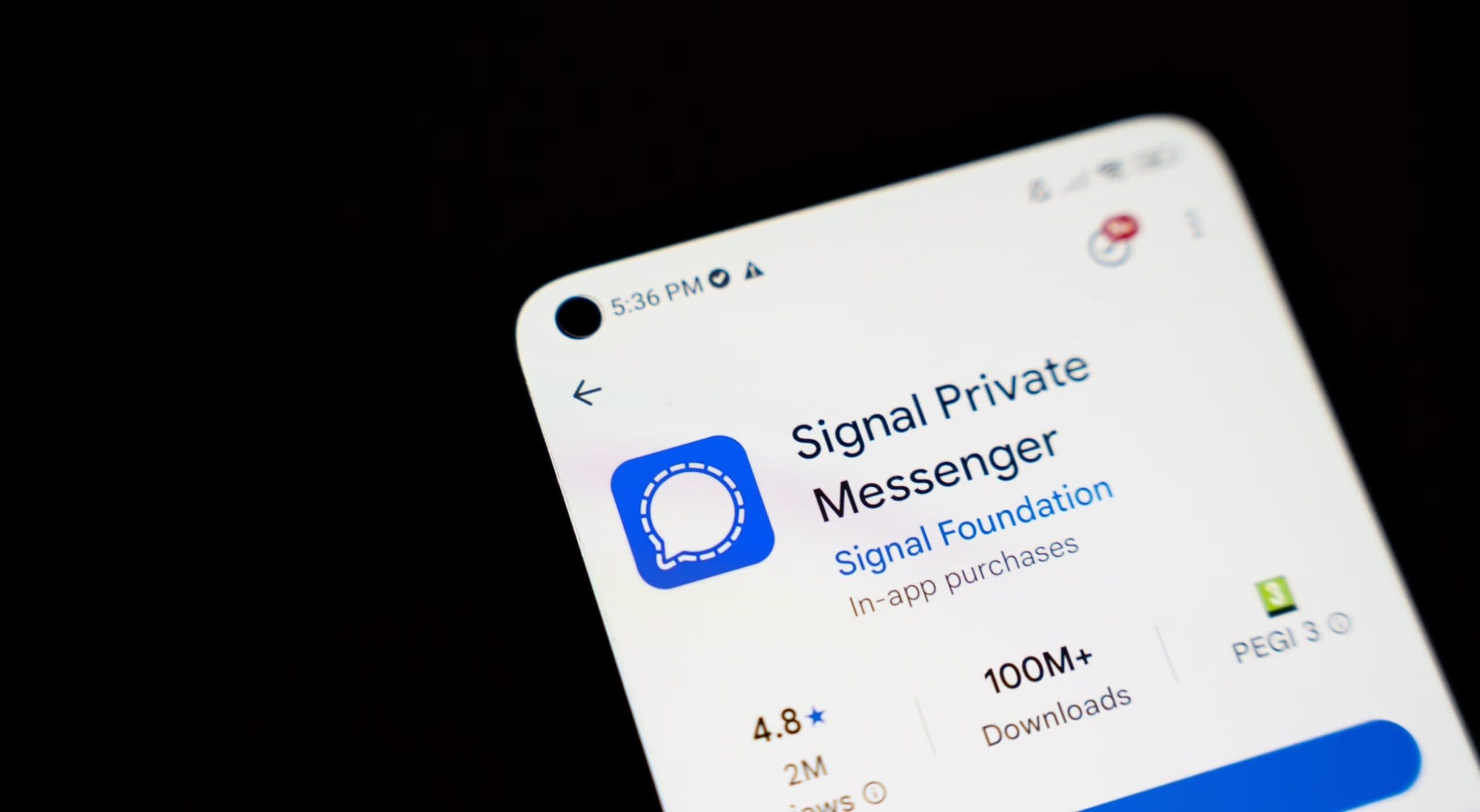
Encrypted messaging service Signal is now restricting screenshots by default, aiming to protect private chats from AI agents embedded in operating systems. This move highlights growing privacy concerns as tech giants integrate AI into consumer devices.
Signal, the popular encrypted messaging service, has started restricting screenshots by default to stop artificial intelligence (AI) agents from potentially reading private chats on phones. This significant step, reported by Mint Technology, comes as Signal warns of an "existential threat" to its privacy guarantee from the increasing integration of AI into consumer devices.
Widely regarded by privacy advocates as a leader in secure messaging, Signal stated its new protections are "incomplete." The company is urging major operating system providers like Apple, Google, and Microsoft to give app developers more concrete tools to block AI agents from accessing sensitive data. They also want more information on how these agents function, so developers can understand what data is being accessed.
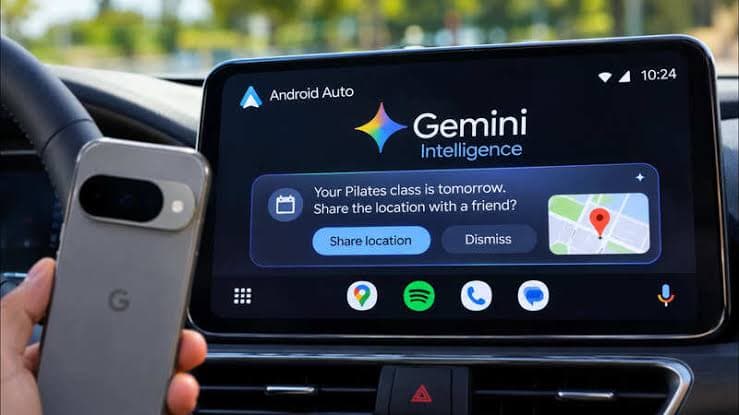
This move reflects a growing tension between privacy-focused applications and the biggest tech companies, which are rapidly rolling out AI agents designed to see what is on a user's screen and take actions based on that information. Signal specifically identified AI capabilities built directly into operating systems, such as Apple's Siri AI and Google's Gemini Intelligence, as particularly worrying due to their deep integration.
The company stated in a blog post provided to Reuters that these "agentic AI integrations are changing this environment in a way that’s making it increasingly hostile to privacy. This is an existential threat to Signal, and our ability to responsibly uphold our mission."
To counter this, Signal is introducing new settings that block screenshot access on phones, switching these restrictions on by default. Users will see pop-up windows allowing them to disable these blocks when Signal detects a screenshot attempt or an AI assistant trying to access the screen, depending on the device. Last year, Signal similarly blocked Microsoft's Recall AI from taking screenshots on Windows, though it cannot reliably offer such protections on Apple's macOS.
How AI Agents Bypass Privacy
AI agents, capable of acting on behalf of users, are being touted as the next big wave in AI technology. They can surface relevant information from across different apps and automate tasks like answering emails or booking appointments. However, this broad reach can bypass the privacy protections built into apps like Signal.
Earlier this week, Reuters reported that Meta’s Muse agent was able to bypass its own official "Connector" tool to access Signal messages on both an Apple computer and a phone running Google's Android system. In both cases, Muse exploited broad operating system-level permissions granted during initial app setup, using them in ways a user might not anticipate. On Apple’s macOS, for example, it used a combination of the computer’s accessibility and screenshot tools, repurposing settings meant for people with disabilities to navigate to Signal, take screenshots of chats, extract text, and reproduce the messages inside the Muse app.
While an Apple operating system update this week effectively closed that specific pathway, it also introduced a new set of permissions for agents, offering similar capabilities but with additional user warnings. Meta responded to Reuters' report by saying agents need to see and interact with people's computers to work on their behalf, and Muse accesses other apps only via permissions users explicitly grant.
What This Means for Indian Users
For Indian users who rely on Signal for its robust privacy features, this development is crucial. With a significant user base on Android devices and increasing interest in AI assistants like Google's Gemini, the concern about AI agents accessing private conversations is very real. While Signal is taking steps, the underlying issue points to a broader challenge: how much access are we unknowingly granting to AI systems embedded deeply in our phones and computers?
Signal, owned by a non-profit foundation, ensures a secure messaging experience through end-to-end encryption, limited data storage on its servers, and no ads. AI systems that scan people's screens directly undermine these core protections by pulling messages out of Signal's secure environment and into potentially less secure external servers used by the AI agent.
This move by Signal is a stark reminder of the ongoing battle for digital privacy in an increasingly AI-driven world. Users should be aware of the permissions they grant to new AI features on their devices, especially as tech giants continue to push these integrations.