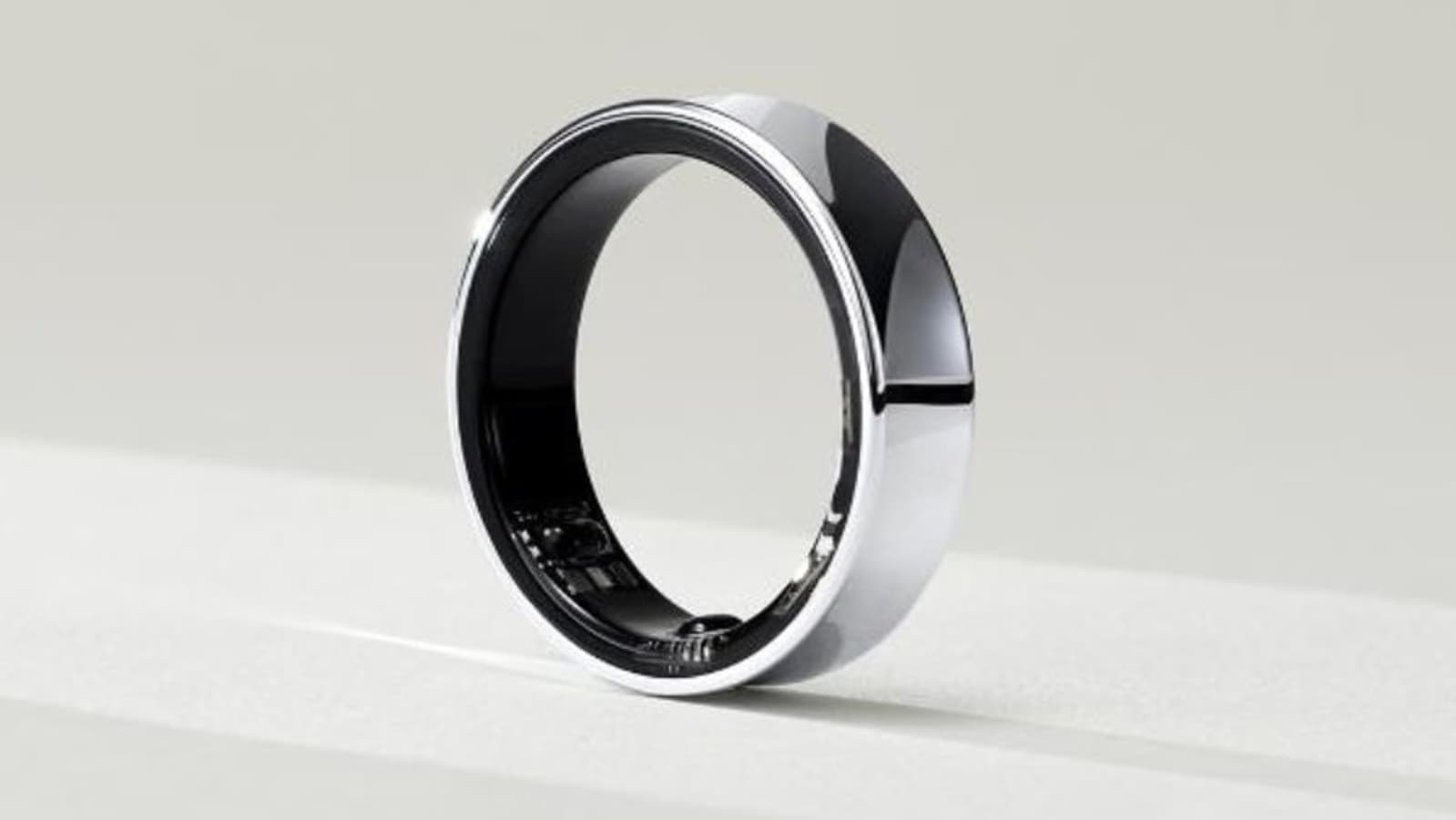
Samsung has been granted a patent for a smart ring featuring a flexible display and gesture controls, as reported by Wareable. This concept introduces a more active smart ring experience, moving beyond the discreet, screenless designs currently available.
Samsung has secured a patent for a smart ring that includes a curved, flexible display and advanced gesture detection, according to a report by global tech publication Wareable. The patent, originally filed last December, was granted on November 3, 2026, outlining a device that could significantly change how we interact with wearables.
This patented design describes a ring or cylinder-shaped housing with a display panel built directly into it. What’s interesting is the display’s dual functionality: it can sense inwards to gather pulse-wave data from your finger and outwards to detect touches or gestures from another finger.
If this concept ever becomes a reality, your finger could essentially become a remote control. Imagine answering calls, skipping music tracks, or dismissing alerts simply by gesturing with your ring, all without needing to pull out your phone.
Samsung has been exploring ways to make its Galaxy Ring more than just a passive health tracker, and ideas around gesture control aren't entirely new for the company. So, while this patent is noteworthy, it isn't completely out of the blue.
However, Wareable notes that this seems more like a design experiment than a product coming soon to market. The design goes against the core philosophy of current smart rings, including Samsung's own Galaxy Ring, Oura, and Ultrahuman. These devices are valued for their screenless, discreet, and unobtrusive nature, designed to be easy to forget you're even wearing them. A ring with a built-in display would naturally play a much more active role.
Integrating a curved display, gesture controls, biometric sensors, and a sufficient battery into such a small ring presents a significant engineering hurdle. The fundamental question for Samsung, and for the market in India, is whether consumers truly want smart rings to start becoming mini smartwatches.
With the wearables market getting increasingly competitive, especially with a growing number of smart ring options available in India, Samsung might feel the need to experiment with novel ideas that go beyond the current, established smart ring design. It's a way to explore new features and differentiate.
Whether this innovative smart ring ever moves beyond the patent stage and into actual production remains to be seen. For Indian buyers currently considering a smart ring, it's best to look at existing models like the Oura Ring or Ultrahuman Ring Air. This Samsung patent is certainly worth watching for future developments, but it's not a sign that a display-equipped smart ring is arriving anytime soon.