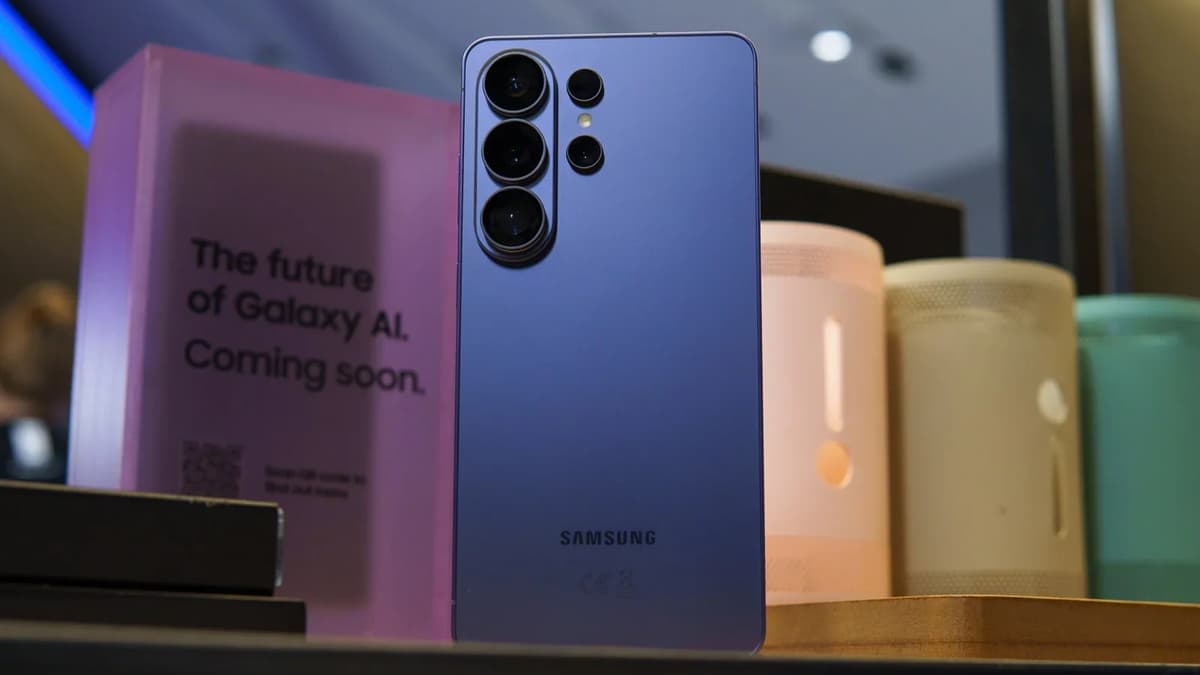
A new insider tip suggests the upcoming Samsung Galaxy S27 Ultra will exclusively use a Qualcomm chipset, potentially impacting performance consistency for buyers.
A new insider tip, reported by GSMArena, suggests that the Samsung Galaxy S27 Ultra will be exclusively powered by a Qualcomm chipset, specifically the Snapdragon 8 Elite Extreme Gen 6. This leak indicates that even if Samsung's own Exynos 2700 chip shows strong performance, the top-tier Ultra model might not use it.
This means that if the Galaxy S27 Ultra launches in India, buyers can likely expect the Snapdragon 8 Elite Extreme Gen 6, offering a consistent experience across all markets for the flagship Ultra variant. In previous generations, the Ultra models in India have often come with Snapdragon chips, so this tip, if accurate, would continue that trend.
The Exynos 2700, Samsung's in-house chip, is reportedly an excellent performer, according to early accounts. It's being manufactured on Samsung’s SF2P, a second-generation 2nm Gate-All-Around (GAA) node. This node is said to offer significant upgrades over its predecessor, the SF2 (used for the Exynos 2600).
Based on the initial information, the Exynos 2700 is expected to bring a 12% performance improvement, a 25% reduction in power usage, and an 8% decrease in chip area. It's also likely to feature ARM C2 CPU cores. Samsung System LSI, the division behind the chip, has been reportedly pushing for its adoption in the flagship S series.
Despite these promising figures and reportedly good production yields for the Exynos 2700, the insider tip claims there's little chance of it appearing in the S27 Ultra. This decision seems to stem from Samsung's longstanding strategic relationship with Qualcomm. While a final decision hasn't been made yet, this outcome is described as the most likely.
Interestingly, the Exynos 2700 won't be entirely sidelined. The report states that the standard S27, S27+, and the new S27 Pro models will use the Exynos chip in Europe and Korea. Meanwhile, these same models will feature a Snapdragon chipset in China and the US. This regional segmentation is something we have seen with Samsung's standard Galaxy S models in the past.