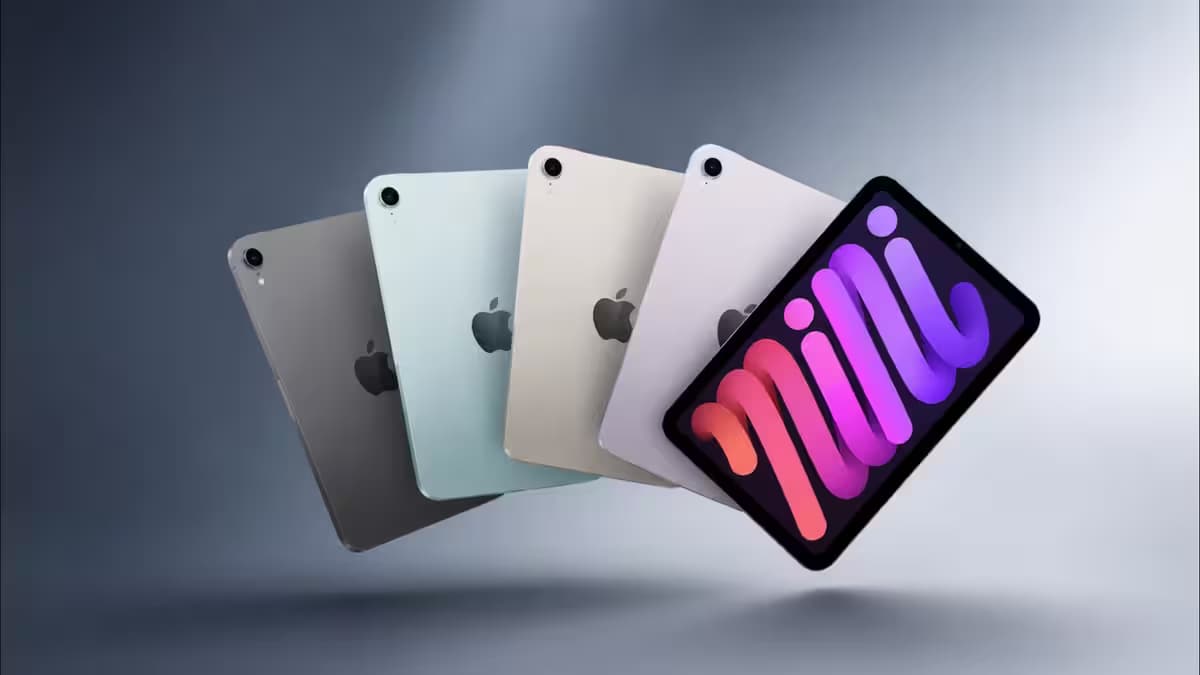
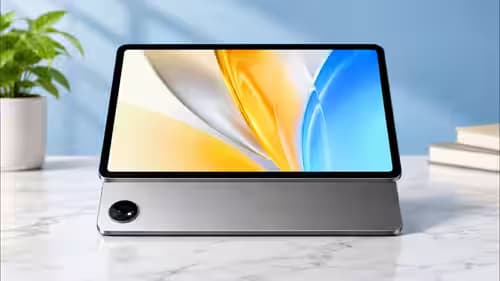
Xiaomi's upcoming budget tablet, likely the Redmi Pad 3, has reportedly appeared on certification listings with a larger 9820 mAh battery and up to 8GB RAM, suggesting an imminent launch.
The successor to Xiaomi's Redmi Pad 2, likely called the Redmi Pad 3, has reportedly surfaced through certification agencies in Taiwan, hinting at key specifications. This news comes via a recent Android Treasure report, as cited by global publication Notebookcheck.
This leak suggests Xiaomi is actively preparing its next affordable tablet, following the Redmi Pad 2's launch in June 2025. While details on the processor, size, or weight are still under wraps, the certification listing does reveal some important upgrades for potential Indian buyers.
One significant improvement is the battery capacity. According to the CB test certificate, the Redmi Pad 3 will feature a 9820 mAh battery. This is a healthy jump from the Redmi Pad 2, which packed a 9,000 mAh unit. A larger battery is always welcome, especially for a tablet meant for media consumption and general use on the go.
Storage and memory configurations for the Redmi Pad 3 were also revealed. We are looking at 4 GB RAM with 128 GB storage, 6 GB RAM with 128 GB storage, and an 8 GB RAM variant paired with 256 GB of storage. For an entry-level tablet prioritising affordability in India, the 8 GB RAM and 256 GB storage option should be quite capable.
However, the base 4 GB RAM variant might prove to be a bit limiting. Users in India who often juggle multiple applications or keep many browser tabs open could find themselves wanting more. Honestly, it is usually better to opt for at least 6 GB of RAM for smoother multitasking with Android tablets.
The certification listing also confirmed 4G connectivity, which is a big plus for users who need internet access without relying solely on Wi-Fi. Additionally, the tablet is expected to carry an IP52 rating, offering some basic protection against dust and light splashes. While this isn't full waterproofing, it adds a layer of reassurance for everyday use.
The Redmi Pad 2 launched with a Helio G100 SoC and an 11-inch 1600 x 2560 IPS display. Given the generational leap, we can expect the Redmi Pad 3 to offer a comparable or improved display, though processor details are still unknown. This is a critical piece of information for Indian consumers, as the SoC largely dictates performance and pricing.
As expected with early certification leaks, pricing and availability details for the Redmi Pad 3 remain unclear for now. For Indian users considering an affordable tablet, it is worth keeping an eye on official announcements. If the pricing for the 8 GB RAM variant is competitive against rivals like Realme Pad series or even Samsung's budget offerings, the Redmi Pad 3 could be a strong contender.