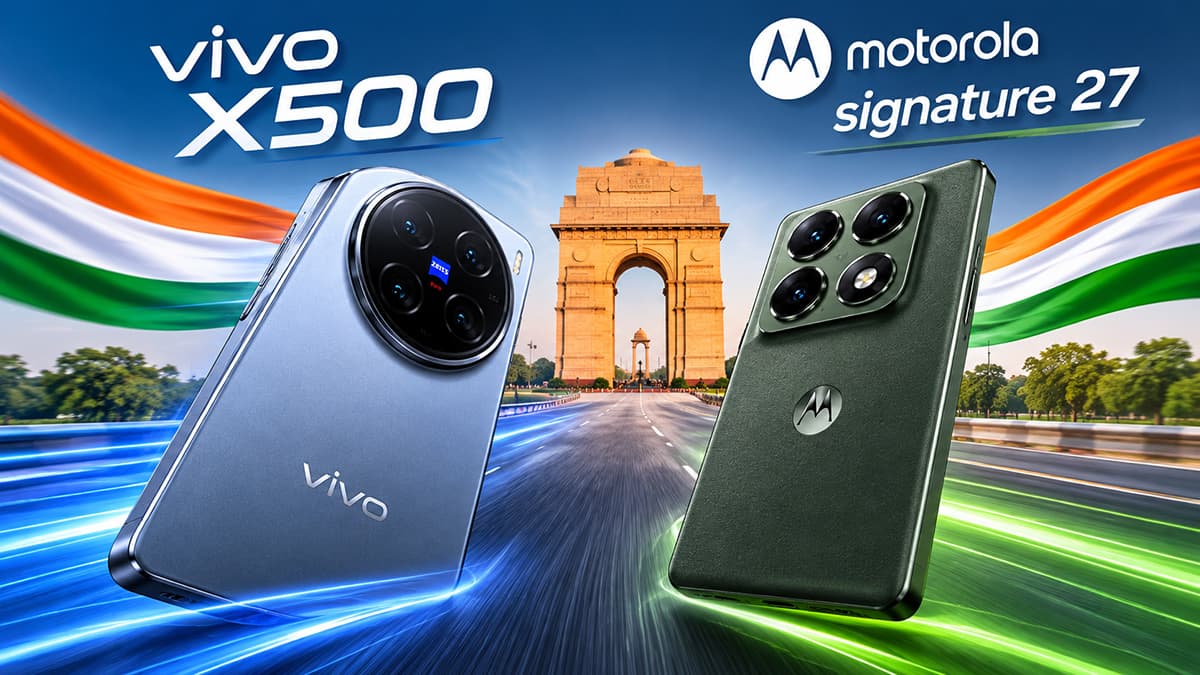
A new report from 91Mobiles names the Motorola Signature as the top performer in India's competitive ₹50,000-60,000 smartphone category. It outranked several rivals, including the Moto Edge 70 Max and OnePlus 13s, in benchmark tests.
Indian tech publication 91Mobiles has identified the Motorola Signature as the strongest all-round performer in the country's popular ₹50,000-60,000 smartphone segment. The report, based on extensive benchmark tests, highlights this price bracket as increasingly important for buyers seeking flagship-level power without the ultra-premium price tag.
Motorola Signature: Unmatched Benchmark Dominance
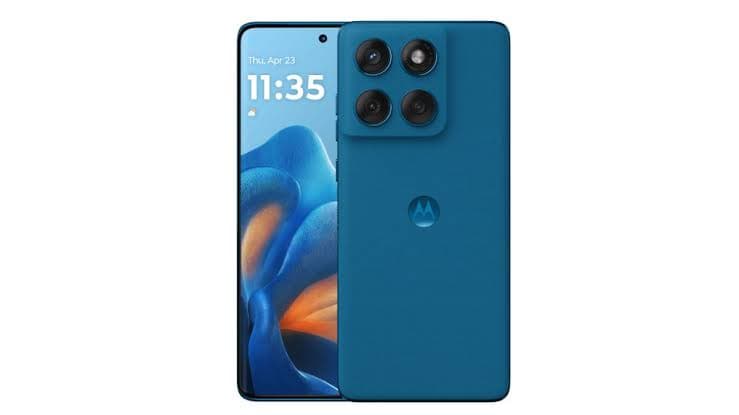
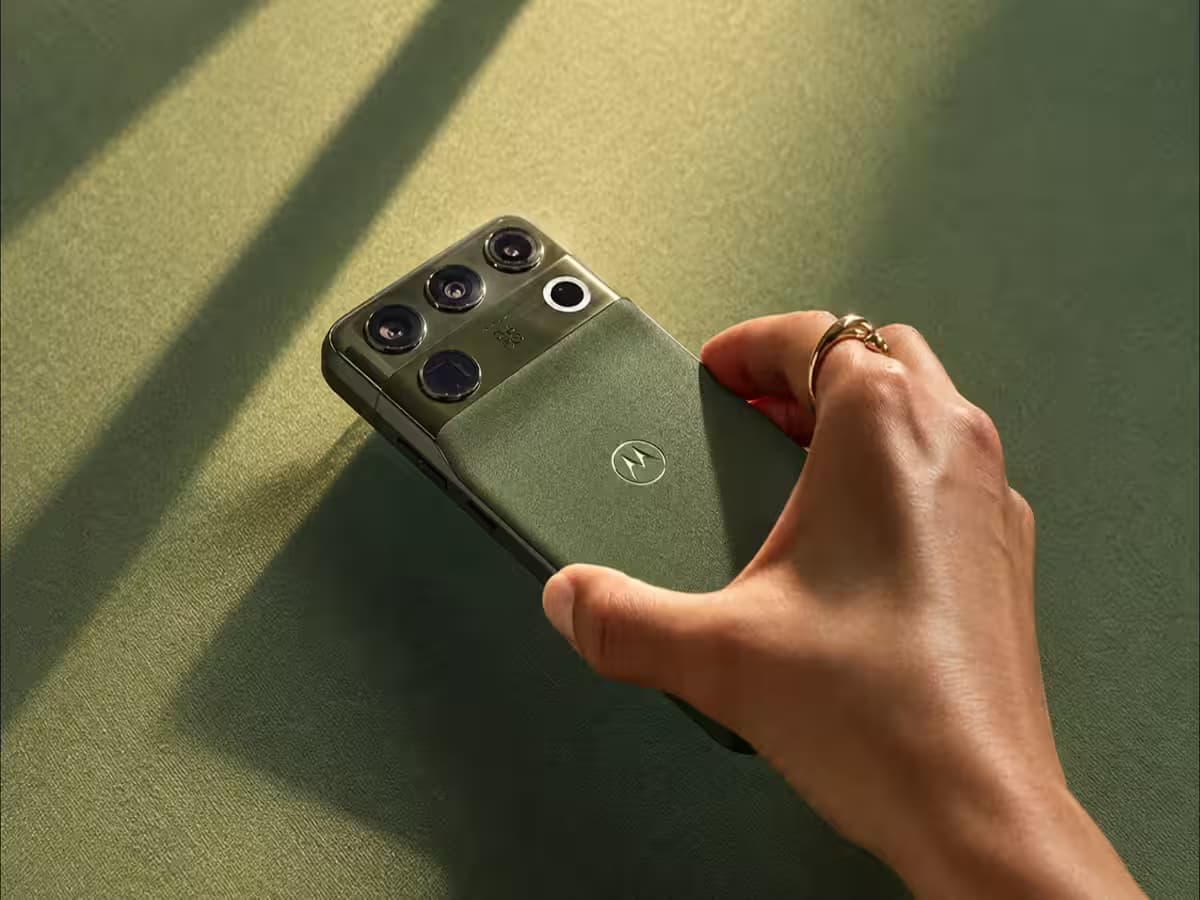
The Motorola Signature claimed the top spot with an impressive AnTuTu score of 30,98,258. Its Geekbench single-core and multi-core results, at 2,889 and 9,583 respectively, also cemented its position as the most consistent performer among the leading devices in 91Mobiles' testing. This makes it a strong choice for Indian users who need serious horsepower for graphics-intensive gaming, heavy multitasking, or mobile content creation.
On paper, the Signature packs a Qualcomm Snapdragon 8 Gen 5 chipset, paired with 12GB LPDDR5X RAM and UFS 4.1 storage. It also features a cooling system designed for demanding workloads. Beyond raw power, the phone offers a 6.8-inch 1.5K LTPO AMOLED display with a 165Hz refresh rate. Its 5,200mAh battery supports 90W wired and 50W wireless charging, while the triple 50MP rear camera setup provides versatile photography options. A major draw for long-term users is Motorola's promise of up to seven years of software support.
However, 91Mobiles' review noted some areas for improvement. While the display and software support are among the best, battery endurance reportedly falls short of expectations. The cameras take a conservative approach to image processing, and thermal inefficiency can affect sustained demanding workloads. These points are worth considering for buyers prioritising long gaming sessions or camera versatility.
Moto Edge 70 Max: A Balanced Alternative
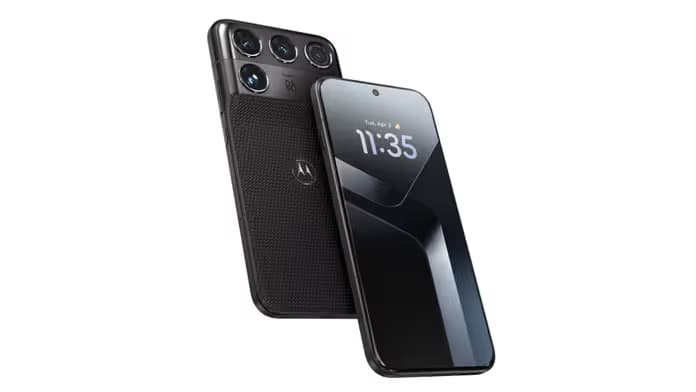
Coming in second, the Motorola Edge 70 Max recorded an AnTuTu score of 29,72,932, with competitive Geekbench scores of 2,823 (single-core) and 8,890 (multi-core). It shares the same Qualcomm Snapdragon 8 Gen 5 chipset and LPDDR5X RAM as the Signature, making it a powerful contender.
The Edge 70 Max features a 6.8-inch QHD+ AMOLED display with a 144Hz refresh rate, slightly lower than its sibling. Its biggest selling point, according to 91Mobiles, is the combination of near-top benchmark performance and a larger 7,100mAh silicon-carbon battery at a lower price. The ₹5,000 price difference between the two Motorola models gives buyers a clear choice to save without sacrificing much on performance benchmarks. Charging is also robust, with 90W wired and 25W wireless support.
The 91Mobiles review praises its powerful performance, effective thermal management, and decent battery life. However, outdoor display legibility could be better, and its three OS updates software policy lags behind what some competitors offer. This makes it a solid all-rounder for users who value current performance and battery life over extended software support.
OnePlus 13s: The Compact Powerhouse
Despite launching in June 2025, making it older than the two Motorola phones, the OnePlus 13s remains relevant, placing third on the list. It scored 25,81,355 in AnTuTu, with strong Geekbench scores of 3,059 (single-core) and 9,192 (multi-core), notably outperforming the Moto Edge 70 Max in multi-core tests.
The OnePlus 13s is powered by Qualcomm's Snapdragon 8 Elite chipset, coupled with 12GB LPDDR5X RAM and up to 512GB storage. Its 6.32-inch 1.5K LTPO AMOLED display with a 120Hz refresh rate and a 5,850mAh battery with 80W charging ensure good endurance. A key differentiator is its compact design, making it a better fit for users in India who prefer smaller, easier-to-handle devices compared to the larger Motorola models.
While it may not top the raw AnTuTu charts, its Snapdragon 8 Elite chipset still offers plenty of processing power for demanding tasks. Indian buyers should weigh its strong performance and compact form factor against the remaining software support period, especially with newer alternatives now on the market.
OPPO Reno15 Pro Mini: A Camera-Centric Compact Option
The OPPO Reno15 Pro Mini, launched in January 2026, is newer than the OnePlus 13s but registered lower benchmark scores. It achieved an AnTuTu score of 21,41,052, with Geekbench results of 1,630 (single-core) and 6,387 (multi-core). It uses MediaTek's Dimensity 8450 chipset, alongside 12GB RAM and up to 512GB storage.
Like the OnePlus 13s, the Reno15 Pro Mini is a compact option with its 6.32-inch AMOLED display and 120Hz refresh rate. Its 6,200mAh battery and 80W charging provide reliable everyday endurance. However, its main advantage lies in its camera system: a 200MP primary sensor, a 50MP ultrawide, and a 50MP telephoto camera. This setup offers more flexibility for various types of photography, from portraits to zoomed shots, compared to more basic dual-camera configurations often found in this segment.
What This Means for Indian Buyers
The 91Mobiles report highlights a diverse ₹50,000-60,000 segment where different priorities are well-catered for. If raw, consistent performance and long-term software support are paramount, the Motorola Signature seems to be the clear winner based on benchmarks and features. For those who prioritize battery life and a slightly lower price point without a significant drop in benchmark scores, the Moto Edge 70 Max presents a compelling option.
Buyers looking for a compact phone with solid performance should consider the OnePlus 13s, keeping in mind its launch date. And if camera versatility is your top priority in a smaller form factor, the OPPO Reno15 Pro Mini offers a feature set that stands out, even if its raw processing power is a step below the Snapdragon-powered competition. The iPhone 16e was also mentioned as completing the list, though specific performance details were not provided.