A new report suggests Apple is considering evolving Siri into a proactive, agent-style artificial intelligence as early as next year. This could allow Siri to track goals and carry out tasks without constant user instructions, competing with other major AI players.
Apple is reportedly considering a significant upgrade for its voice assistant, Siri, potentially transforming it into an agent-style artificial intelligence that can proactively handle tasks on a user’s behalf. This development, tipped to arrive as early as next year, comes from a report by 디지털투데이, which cites Bloomberg’s Mark Gurman.
Siri's Next Big Leap: Agent-style AI
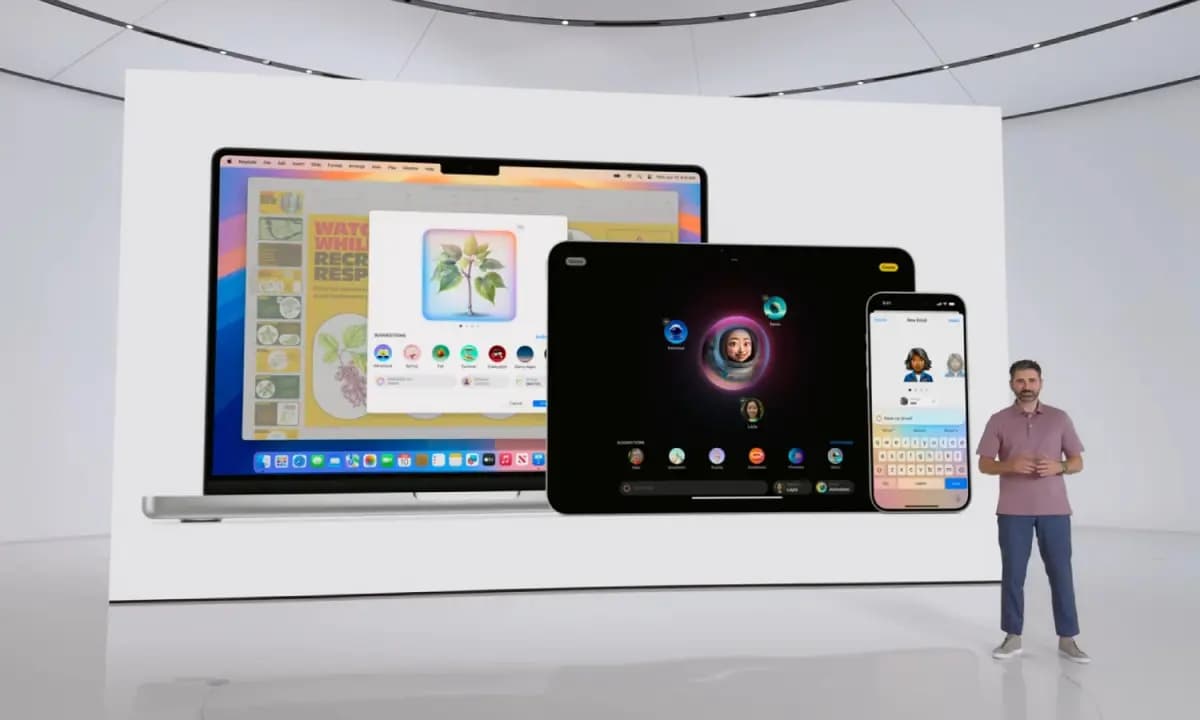
Following the introduction of stronger personalisation features in iOS 27, Apple is now reviewing the next phase for Siri. The goal is to enable functions that track user goals and continue necessary tasks without requiring step-by-step instructions from the user. Currently, Siri offers enhanced personalisation and conversational ability, but it still lacks the autonomy to track goals and execute continuous tasks without repeated user requests.
Mark Gurman explained that these AI agents understand a user’s overarching goal and then determine the necessary subsequent tasks, working towards the objective without needing separate instructions at each stage. He noted that Apple is ultimately heading in this direction, driven by market and consumer demand, and will likely develop Siri into a more agent-like entity. However, the specific features Apple plans to introduce are still unclear.
What is an Agent-Style AI?
Agent-style AI represents a shift from reactive assistants to proactive partners. Instead of waiting for a direct command for every single action, these agents work in the background, anticipating user needs and executing tasks based on an understood goal. Companies like Meta and xAI are actively developing this technology. Examples cited include OpenAI’s Dots, Meta’s Muse, and xAI’s Grok, all designed to handle tasks without constant user intervention and then deliver the results.
Why this matters for Indian Apple users
If this rumour holds true, it could significantly enhance the utility of Apple devices for users in India. An agent-style Siri could streamline daily routines, from managing complex travel plans to organising schedules across multiple apps, all with minimal input. This proactive assistance would be a notable upgrade from the current experience, potentially making Apple devices even more integral to users' digital lives.
Apple’s existing software base is cited as a key competitive advantage. With frameworks like App Intents already in place, Apple might be able to handle certain tasks without heavy reliance on intensive cloud computing resources, unlike some other companies. This could also lead to lower costs for executing specific tasks, which could indirectly benefit users.
Apple's Internal Shake-up for iOS 28
Ahead of developing iOS 28, Apple is also reportedly adjusting its internal engineering processes. Gurman mentioned that Apple has revised its development schedule to allocate more time for engineers to code and explore new features, rather than focusing heavily on integrating operating system functions. For the first development cycle of iOS 28, Apple has assigned six weeks for coding and exploration, up from the usual four weeks, while reducing the integration stage to two weeks from four. This change aims to give engineers more room to refine ideas and thoroughly test features. The report also suggests that the rapid development of agent-style coding tools in recent years might have influenced this strategic shift.