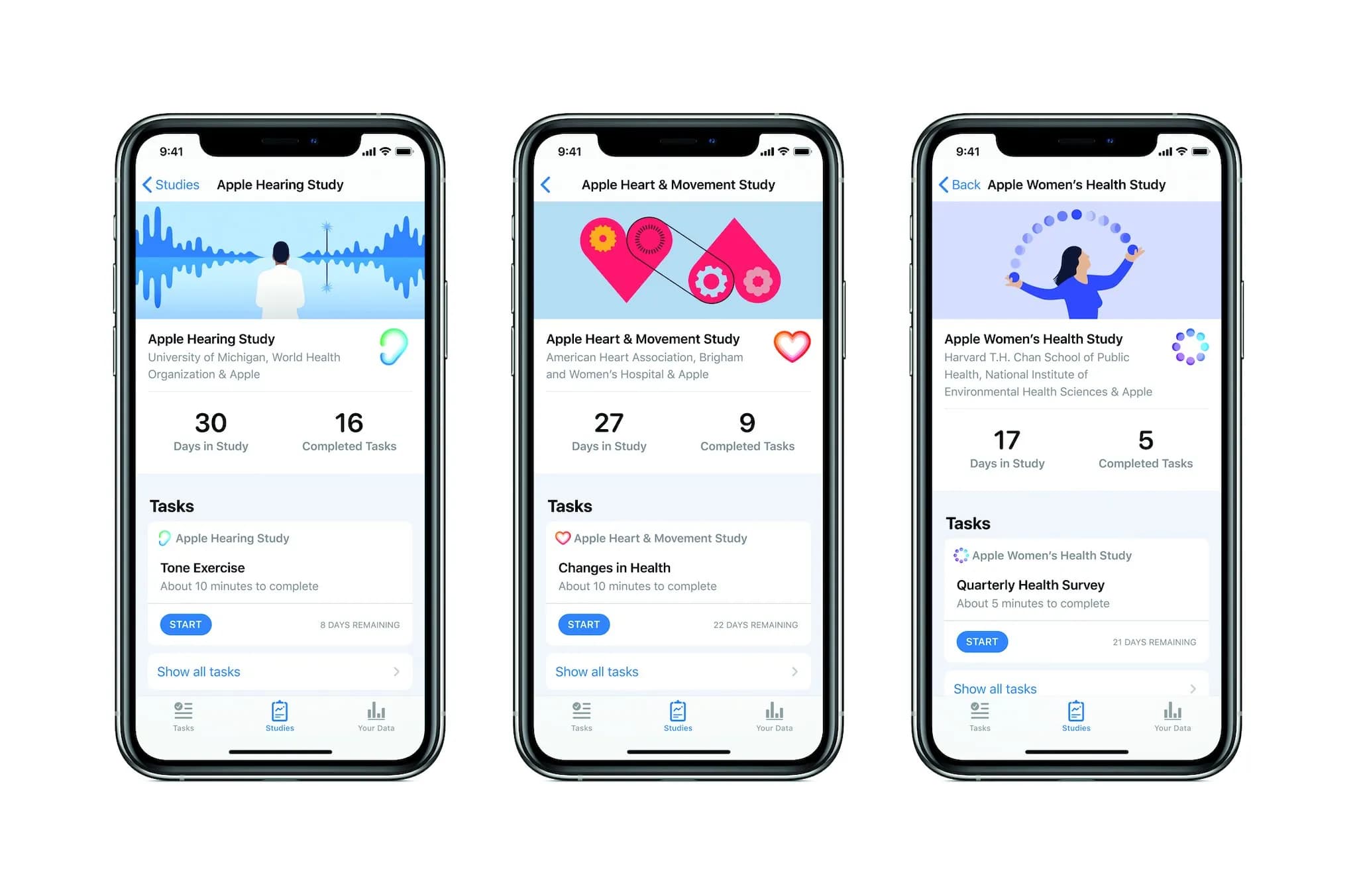
Apple has launched a new app in the US to study how people use AI for health queries, partnering with OpenEvidence. The study aims to gather insights from up to 200,000 participants, though its availability for Indian users is not confirmed.
Apple has launched a new research app in the United States to study how people interact with artificial intelligence for health-related questions. The iPhone maker is partnering with OpenEvidence, a company focused on healthcare AI, for this initiative, as reported by TechCrunch.
This move sees Apple exploring the health AI space, but not quite in the same way as big AI labs like OpenAI or Anthropic, which offer general-purpose chatbots. Instead, Apple wants to understand how responses grounded in clinical data can truly help people. This focus on scientific rigor is a key differentiator.
Understanding the AI Health Study
The study invites users in the US who are over 21, have an iPhone 15 or later, are running iOS 26 or later, and have Apple Intelligence enabled. Apple aims to enrol up to 200,000 participants for a study period exceeding 12 months, gathering extensive feedback on the app's utility.
Participants can ask health-related questions in the app, much like they would with chatbots such as ChatGPT or Claude. The crucial difference, according to Apple, is that the answers provided are grounded in clinical data from reputable sources, including The New England Journal of Medicine, Journal of the American Medical Association (JAMA), and Nature. The app will try to simplify these answers for everyday medical queries.
Users are encouraged to rate the answers and provide feedback, alongside participating in monthly surveys. This feedback loop is essential for Apple to refine its understanding of user needs and the effectiveness of clinically-backed AI responses.
Personalised Insights and Data Privacy
The app also allows participants to share data from their HealthKit, such as resting heart rate, activity levels, sleep patterns, or lab results. This enables the app to offer more personalised and targeted suggestions, potentially making the AI more relevant to an individual's specific health profile.
Beyond answering questions, Apple states the app can help prepare participants for doctor's visits and guide them to specific providers for serious medical concerns. This suggests a role for the AI as a preliminary information source rather than a diagnostic tool.
Privacy is a significant concern with health data, and Apple has addressed this. The company specified that data is anonymised before being sent to a secure third-party cloud provider. Crucially, this data will not be used to train any AI models. OpenEvidence, Apple’s partner, also deletes query and response data after 24 hours.
“At Apple, we believe responsible innovation starts with scientific rigor and clinical grounding. Health is deeply personal, and conducting a dedicated research study is the most thoughtful way to understand how people engage with, comprehend, and evaluate health AI in everyday life,” said Sumbul Desai, M.D., Apple’s vice president of Health and Fitness. She added that insights from this study will help advance the broader scientific conversation and ensure trusted tools are built.
What This Means for India
Currently, the app is available for download only to US users, starting today. There is no information yet regarding if or when Apple plans to launch this study, or a similar AI-powered health feature, in India. Apple has not confirmed if it intends to integrate this AI-powered answering capability into its existing Health app or Siri globally.
However, the potential for such a service in India is considerable. Globally, there's already massive demand for health-related AI queries; earlier this year, OpenAI reported users were asking over 300 million health questions each week. If Apple decides to roll out a similar service in India, it could significantly impact how Indian users access health information, offering a clinically-backed alternative to general internet searches.
For now, Indian Apple users will have to wait for any official announcements regarding the availability of such health AI features in our region. This study highlights Apple's cautious, research-driven approach to AI in a sensitive area like health, which could set a precedent for future global rollouts.