Apple has launched its first MacBook Pros with PROLED XDR displays and integrated touchscreens, a significant pivot for the company. This move comes 16 years after Steve Jobs famously dismissed laptop touchscreens as "ergonomically terrible."
Apple has officially introduced new MacBook Pros featuring PROLED XDR displays that now include touchscreens. This marks a major shift in the company's approach to laptop design, especially considering past criticisms from its founder.
The introduction of touch-enabled MacBooks arrives 16 years after Steve Jobs, Apple's co-founder, famously weighed in on the concept. Back in 2010, Jobs stated, "Touch surfaces don't want to be vertical. It gives a great demo, but after a short period of time you start to fatigue and after an extended period of time, your arm wants to fall off. It doesn't work. It's ergonomically terrible." His remarks highlighted a fundamental concern about usability for vertical touch displays on laptops.
The Ergonomics Question and Apple's New Direction
Despite Jobs' strong stance, current Apple leadership appears to be taking a different path. John Ternus, who was appointed Vice President of Hardware Engineering in 2012 and later became CEO after Tim Cook, is noted to have had significant influence over these new OLED-based touchscreens. While the MacBooks may have been designed before his CEO tenure, GSMArena points out his deep involvement in their development.
The core debate highlighted by GSMArena remains: are touchscreens on traditional laptops truly practical, or do they only make sense on devices with 360° hinges or 2-in-1 convertible designs? The new MacBook Pros do not feature these convertible modes, meaning the touchscreen experience will likely be limited to a standard laptop form factor.
Touchscreens Are Not New to the Indian Market
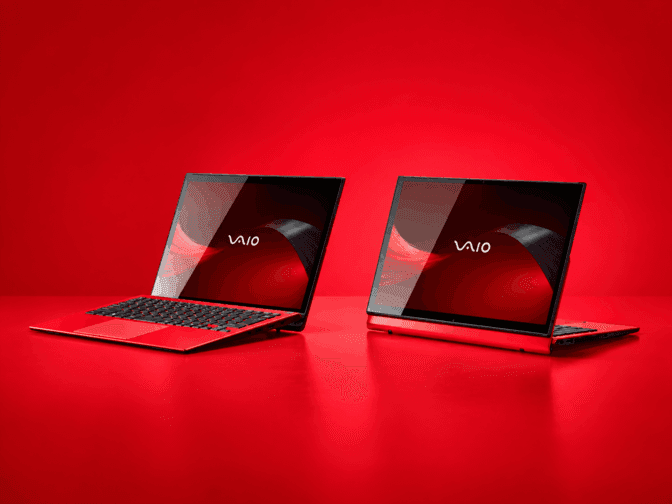
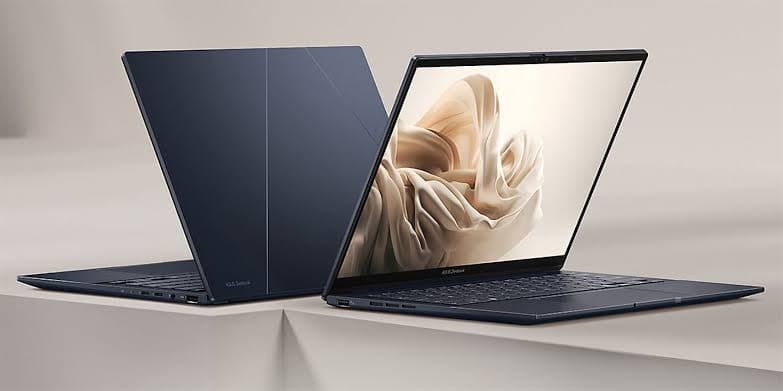
For Indian consumers, touchscreens on laptops are far from a novel concept. Many Windows on ARM laptops and x86 laptops have offered touch functionality for years. Microsoft's own Surface laptops, alongside their popular Surface tablets, have also long featured touch displays, familiarising a broad user base with this interaction method.
Apple's late entry into the touchscreen laptop space brings this feature to its premium MacBook Pro line. The real question for Indian buyers will be how much value this adds to a high-end laptop that still operates in a traditional clamshell design. Many existing Windows convertibles offer the flexibility to switch between laptop and tablet modes, making touch input feel more intuitive for tasks like drawing or note-taking.
What This Means for Indian Buyers
On paper, the PROLED XDR display itself is a major selling point for the new MacBook Pros, promising a top-tier visual experience. However, the addition of a touchscreen without a convertible design could be seen as an incremental feature rather than a transformative one, especially when compared to the versatility offered by competing Windows devices in India. Buyers in the premium segment will need to weigh the benefits of a touch-enabled screen against the potential ergonomic concerns and the lack of a tablet mode.
Ultimately, whether the new touchscreen MacBook Pros resonate with Indian users will depend on how well the feature integrates into their workflow, and if Apple's implementation manages to sidestep the ergonomic issues Steve Jobs predicted over a decade ago. We'll be watching to see how this new direction impacts Apple's standing in the competitive Indian laptop market.