Xiaomi has launched its 18 Pro Series flagship smartphones in Paris, featuring a unique Back Display and dual 200MP Leica cameras. The Xiaomi 18 Pro is confirmed for India, though local pricing and launch date are still under wraps.
Xiaomi has officially launched its latest flagship smartphone lineup, the Xiaomi 18 Pro Series, in Paris. The series includes the Xiaomi 18 Pro and the more powerful Xiaomi 18 Pro Max. For Indian buyers, there's good news: Xiaomi has confirmed the Xiaomi 18 Pro will come to India, although its official price and launch date are yet to be announced. The Xiaomi 18 Pro Max, however, does not currently have a confirmed India launch.
Both models introduce a unique Back Display, a Leica Dual-200MP camera system, and Xiaomi's new Privacy Display technology. They also pack the latest Snapdragon 8 Elite platforms.
Xiaomi 18 Pro vs. 18 Pro Max: Key Differences
The two phones in the series come with different chipsets and cooling solutions. The Xiaomi 18 Pro Max is powered by the Snapdragon 8 Elite Extreme Gen 6 Mobile Platform, while the Xiaomi 18 Pro uses the Snapdragon 8 Elite Gen 6. Both are built on a 2nm TSMC process with Gate-All-Around transistor architecture.
Xiaomi claims the Snapdragon 8 Elite Extreme Gen 6 in the Pro Max offers up to 13% higher CPU performance, 44% faster GPU performance, and 35% faster NPU performance compared to the previous generation. The Pro Max also features Offset Packaging and a 3D IceLoop cooling system, which Xiaomi says provides up to 50% higher cooling efficiency. This combination reportedly gives the device an AnTuTu score of 5,031,155.
Battery sizes also differ between the models. The Xiaomi 18 Pro Max gets a massive 7,050mAh battery with 100W wired and 50W wireless HyperCharge. The Xiaomi 18 Pro, on the other hand, comes with a 6,000mAh battery that supports 90W wired and 50W wireless charging.
The Innovative Back Display
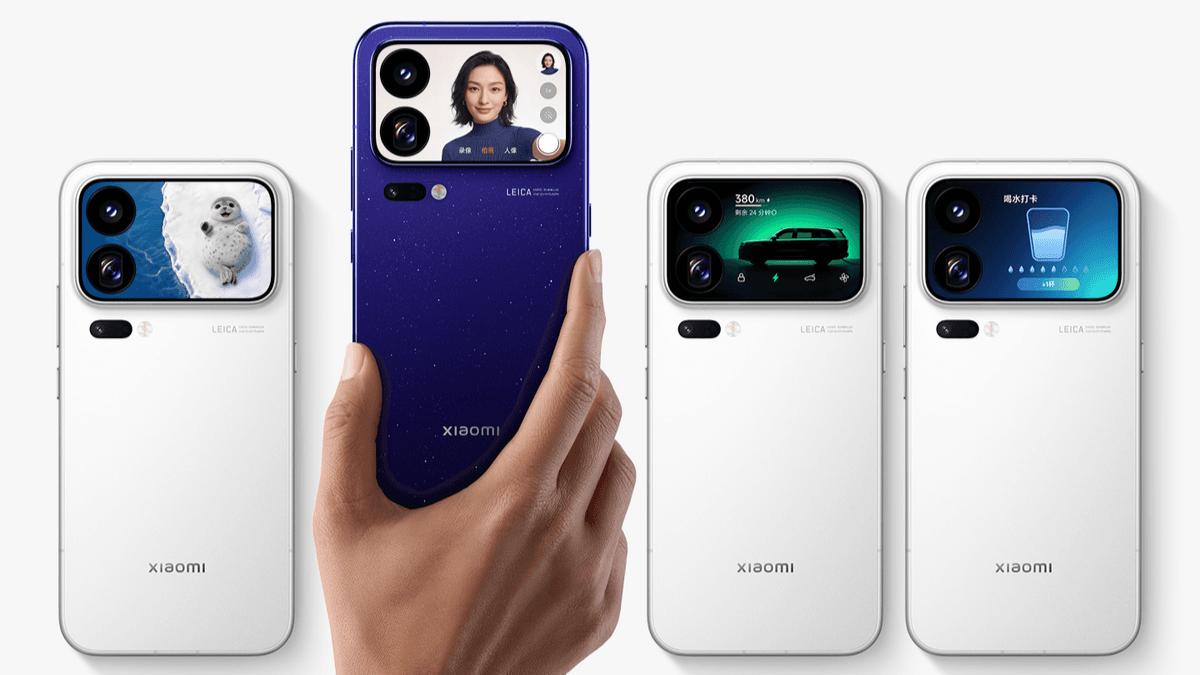
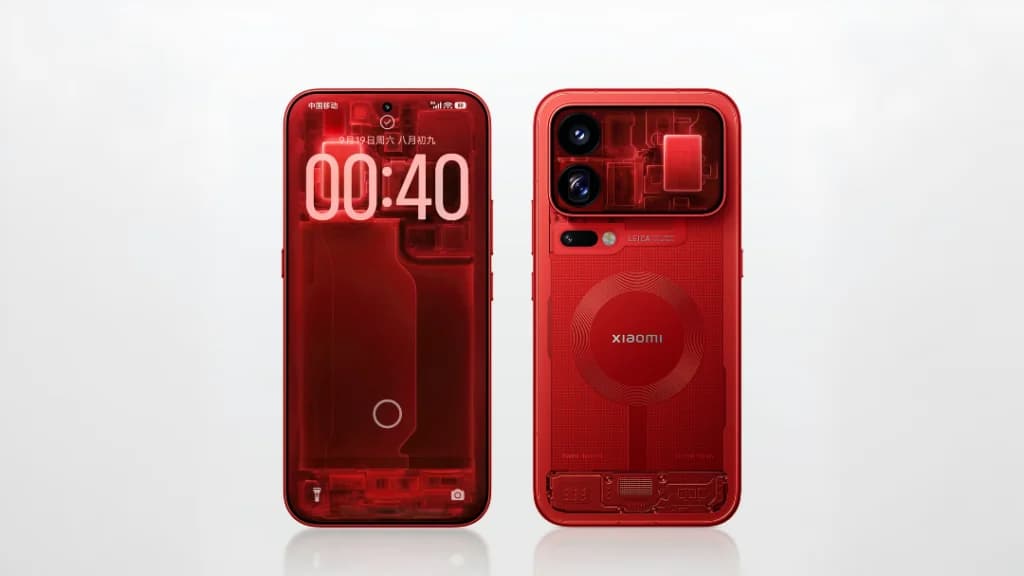
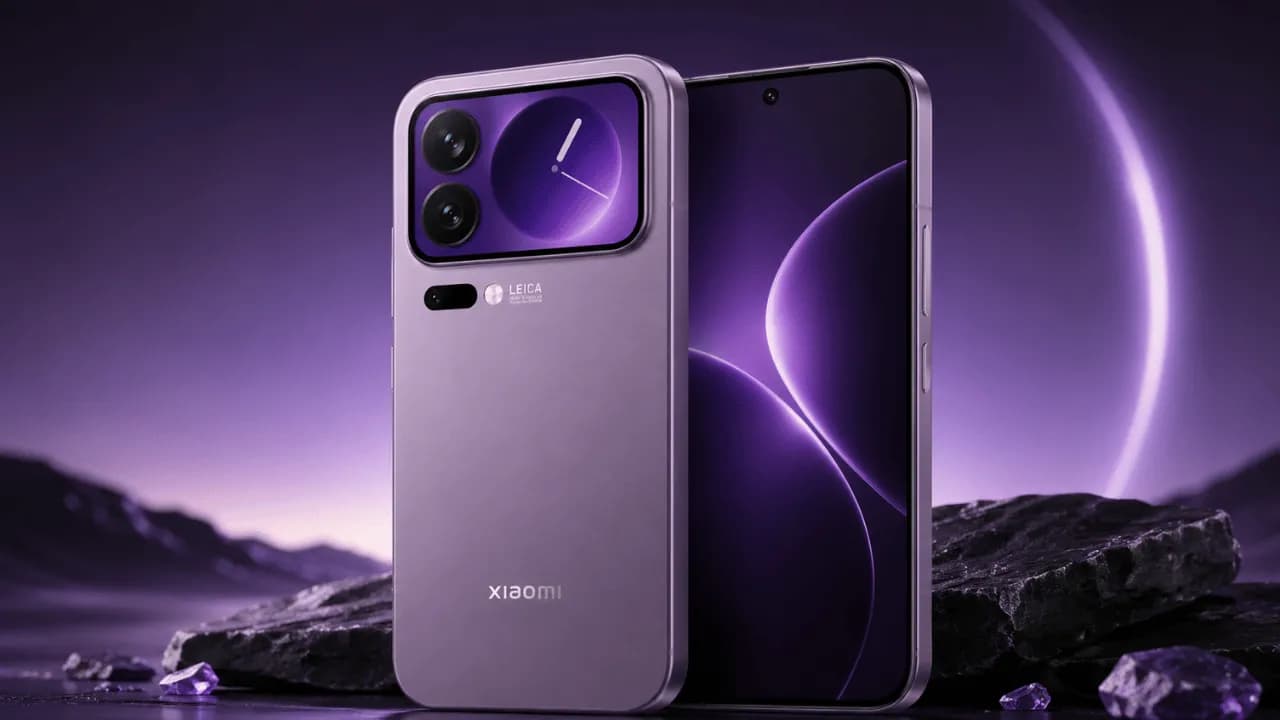
The biggest design change across both smartphones is the new Back Display. This secondary screen on the rear of the device is built using the same M11 panel as the main screen, supporting up to 4,000 nits of peak brightness and a 1Hz to 120Hz LTPO refresh rate. Xiaomi has also used a Unified Underglass design, protecting it with Corning Gorilla Glass Victus 2.
This rear display offers several uses, including acting as a viewfinder for selfies, group photos, and vlogs using the main cameras. It can automatically switch to an ultra-wide view if more than three people are detected. Users can also record 8K video at 30fps with a real-time preview on the Back Display.
Beyond photography, the Back Display shows notifications for calls, maps, ride-hailing, and food delivery services. You can also pin text and images, such as boarding passes or QR codes, for quick access.
Xiaomi has integrated AI features into this secondary screen. The AI Interpreter turns both displays into a real-time translation interface, showing each person's language on their respective screen, supporting 29 languages. GenAI Apps let users create mini apps with natural language descriptions, with over 50 preset utility tools and mini-games available with custom Back Display functionality. Users can also personalise the Back Display with AI Group Photo Wallpapers.
Leica Dual-200MP Camera System
The Xiaomi 18 Pro Series features a powerful Leica Dual-200MP camera system. This includes a 200MP main camera with a 1/1.28-inch sensor and a 200MP periscope telephoto camera with a 1/1.56-inch sensor. The main camera boasts Xiaomi's Leica UltraPure Optical Design and an f/1.67 Leica Summilux lens. The telephoto camera uses a new Power Prism periscope module for light redirection and focusing.
Specifically for the Xiaomi 18 Pro Max, the main camera adds the Light Fusion 960L system, offering up to 16.2EV high dynamic range. Its periscope camera supports 75mm portrait photography, up to 150mm optical-level zoom, and 12cm telemacro photography.
For video recording, both phones support 4K video at 120fps in Dolby Vision, 10-bit Log recording, and 8K video at 30fps. AI-powered imaging tools like AI Portrait Fill Light, Xiaomi ProCut, and AI Composition are also included. Features such as Essential Moment offer B&W Film, Iconic CCD, and Modern Vintage styles, alongside simulations of 35mm Documentary and 75mm Portrait lenses.
Privacy and Display Technology
Xiaomi has introduced Privacy Display, a technology built into the main screen that uses dedicated privacy pixels with a narrower viewing angle to prevent nearby onlookers from viewing sensitive content. It can be applied to selected apps, notifications, and split-screen views. An AI-powered Privacy Notice can detect onlookers and alert the user with vibrations or Xiaomi HyperIsland. A dedicated AI Button can also activate Privacy Mode.
The main display uses Xiaomi HyperRGB 2.0, supporting up to 4,000 nits of peak brightness and covering the BT.2020 colour gamut. It holds TÜV Rheinland Triple Eye Care Certification and features an ultrasonic fingerprint sensor. The Xiaomi 18 Pro has a 6.4-inch display, while the Pro Max gets a larger 6.9-inch screen. Both feature symmetrical 0.99mm bezels.
Both phones run Xiaomi HyperOS 4, integrating Google Gemini, Circle to Search, Xiaomi HyperAI, AI Voice Note, and AI Speech Recognition. The Xiaomi 18 Pro Max also includes a triple-speaker setup, a CyberEngine super-wideband X-axis linear motor, and Xiaomi Privacy Call technology.
India Pricing Outlook and Availability
The Xiaomi 18 Pro starts at EUR 1,399, which is approximately Rs 1.44 lakh before considering India-specific taxes, duties, and pricing adjustments. The 12GB+512GB variant is EUR 1,599, or around Rs 1.64 lakh. The Xiaomi 18 Pro Max starts at EUR 1,599, with its 12GB+512GB variant costing EUR 1,799, roughly Rs 1.85 lakh. These are direct conversions and the actual India price will likely be different.
As mentioned, Xiaomi has confirmed the Xiaomi 18 Pro for India, but not its official price or launch date. The Xiaomi 18 Pro Max does not have a confirmed India launch yet. Indian buyers interested in these cutting-edge features will need to wait for Xiaomi's official local announcement to know exactly what to expect.