Vivo's lifestyle-focused Watch GT 2 could finally launch in India this month, according to a new report. This potential debut marks Vivo's entry into the Indian smartwatch market, offering a new choice for consumers.
Vivo is reportedly gearing up to bring its smartwatch portfolio to India, with the lifestyle-focused Vivo Watch GT 2 tipped for a launch around November 25th. This news comes six years after the company first entered the smartwatch market in China, marking a significant expansion of its product ecosystem in India.
According to a report by 91Mobiles, citing tipster Sanju Choudhary, the Vivo Watch GT 2 could debut alongside the flagship X500 smartphone series in the country. This isn't Vivo's latest flagship wearable, the Watch 6, but rather the Watch GT 2, which first launched in China in October 2025 and saw a global rollout earlier this year in markets like Malaysia and Europe.
A Closer Look at the Vivo Watch GT 2, Based on Leaks
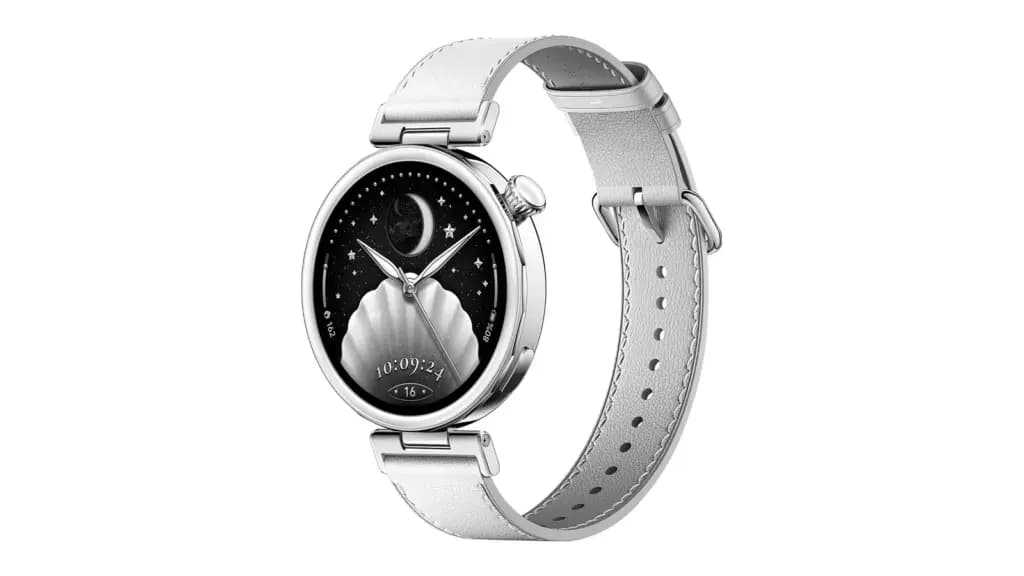
The Vivo Watch GT 2, as seen in its international versions, sports a rectangular design with an aluminium alloy frame. It features a large 2.07-inch AMOLED display, offering a resolution of 432 x 514 pixels. This panel is capable of a 60Hz refresh rate and an impressive local peak brightness of up to 2,400 nits, which on paper suggests excellent outdoor visibility.
Under the hood, the Watch GT 2 runs on Vivo's custom BlueOS 3.0, and it's compatible with both Android and iOS smartphones. For global users, the watch also includes Google Maps integration, which is a useful addition for navigation on the go.
Battery life is a strong point for the Watch GT 2, at least based on its specifications. The Bluetooth variant packs a 580mAh rated battery, advertised to last up to 25 days, with a more typical usage scenario yielding around 14 days. While this is slightly less than the 33-day maximum claimed for the Chinese version under power-saving conditions, it still promises multi-week endurance.
Other key features include Bluetooth calling, built-in GPS for accurate location tracking, NFC for contactless payments (though Indian payment system compatibility would need confirmation), heart rate and blood oxygen monitoring, and comprehensive sleep and stress tracking. It also supports over 100 sports modes. Vivo offers an eSIM variant in select international markets, but its availability in India remains unclear.
In Europe, the Watch GT 2 launched at EUR 149 (around Rs 16,000), while in Malaysia it retails for RM 499 (around Rs 12,000), and in the UAE for AED 399 (around Rs 11,000). As of now, there are no details on its expected Indian pricing, which will be crucial for its competitive positioning.
Why Vivo's Smartwatch Entry Matters for Indian Buyers
Vivo has established itself as one of India's largest smartphone brands, even leading the market in shipments for several quarters before Samsung reclaimed the top spot in Q3 2026. This gives the company a substantial existing customer base to tap into, particularly among owners of its X-series and other premium smartphones.
An India launch for the Watch GT 2 would be a significant step for Vivo, allowing it to expand its product ecosystem beyond smartphones and foldables. Companies like Samsung and Apple have successfully used connected devices, including smartwatches, to retain customers and build loyalty. Vivo's entry into this segment could help it achieve a similar effect in India.
The Indian smartwatch market is competitive, with players like Amazfit, Redmi, OnePlus, and Samsung already offering a range of devices. The Watch GT 2's combination of a large AMOLED display, Google Maps integration, and multi-day battery life could appeal to users seeking more than basic fitness tracking without the hassle of daily charging. However, it will face stiff competition from devices offering different strengths, from long battery life to extensive app ecosystems.
Choosing Your Smartwatch: How the Vivo Watch GT 2 Could Fit In
If you're in the market for a new smartwatch, the potential launch of the Vivo Watch GT 2 adds another interesting option. Here's how it could compare to what's already available and what to consider when making your choice.
Prioritising Battery Life: The Amazfit Challenge
For many Indian users, multi-day battery life is a top priority, and this is where brands like Amazfit excel. Their GTR and GTS series watches are well-known for offering weeks, sometimes even a full month, of battery life on a single charge. If the Vivo Watch GT 2 delivers on its claimed 14-25 days of usage, it would place it firmly in this long-endurance category.
However, Amazfit often focuses heavily on fitness and health tracking, sometimes with a simpler smart features set. The Watch GT 2, with its Google Maps integration and Bluetooth calling, appears to strike a balance between advanced smart features and extended battery life. If long battery life is your primary concern, but you also want more intelligent features than a typical fitness band, the GT 2 could be a compelling alternative to Amazfit's offerings.
The Full Smartwatch Experience: Wear OS Options
On the other other end of the spectrum are Wear OS smartwatches from brands like Samsung (with its Galaxy Watch series) and the recently launched OnePlus Watch 2. These devices offer a much richer app ecosystem, allowing users to download a wide variety of third-party applications directly to their wrist.
Wear OS provides a more integrated Android experience, often with better notification management, Google Assistant support, and deeper connectivity with your smartphone. However, the trade-off is typically battery life, with most Wear OS watches offering one to two days of usage, requiring daily or every-other-day charging. If you prioritise a full app store and a highly interactive experience over multi-week battery life, then a Wear OS watch might be a better fit than the Watch GT 2's BlueOS 3.0, which, while capable, has a more limited selection of third-party apps.
Connectivity and Unique Features
The Vivo Watch GT 2's reported Google Maps integration is a distinct advantage, offering convenient navigation directly from your wrist without needing to pull out your phone constantly. This is a feature not universally found across all smartwatches.
Furthermore, the potential for an eSIM variant in India could be a significant differentiator. If Vivo brings cellular connectivity at a competitive price and ensures compatibility with Indian telecom operators, it could appeal to users who want to stay connected even without their phone nearby for calls or notifications. This feature is usually found in higher-end smartwatches and adds a layer of independence that basic Bluetooth-only models lack.
Key Factors When Buying a Smartwatch in India Today
Regardless of whether you're waiting for the Vivo Watch GT 2 or considering other options, here are some crucial aspects to evaluate before making your purchase:
- Operating System and App Support: Decide if you need a full-fledged app store (like Wear OS) for extensive third-party apps, or if a more streamlined OS with essential features (like BlueOS 3.0 or Amazfit's Zepp OS) is sufficient for your needs.
- Battery Life Expectations: Be realistic about how often you want to charge your watch. Some offer weeks, others only a day or two. There's usually a trade-off between advanced features and battery endurance.
- Display Quality and Design: Consider the display type (AMOLED is generally preferred), size, brightness, and whether you prefer a rectangular or circular watch face. The material quality and strap options also contribute to overall comfort and style.
- Health and Fitness Tracking Suite: Most smartwatches offer heart rate monitoring, sleep tracking, and step counting. If advanced features like SpO2, ECG, or specific sports modes are important, ensure your chosen watch supports them accurately. Built-in GPS is essential for outdoor activity tracking without carrying your phone.
- Connectivity Features: Evaluate if you need Bluetooth calling, NFC for payments, or standalone cellular connectivity via eSIM. Bluetooth calling is becoming common, but NFC compatibility with Indian payment systems varies, and eSIM adds a premium to the price.
- Value for Money: Compare the features offered against the price. A higher price point usually brings more advanced features, better build quality, and a richer software experience.
Is the Vivo Watch GT 2 Worth Waiting For?
Based on the tipped specifications and international pricing, the Vivo Watch GT 2 appears to be a strong contender in the mid-range smartwatch segment. Its large, bright AMOLED display, multi-day battery life, and Google Maps integration are compelling features that could resonate with Indian buyers.
However, potential buyers should weigh these benefits against the unknown Indian pricing and the BlueOS 3.0's app ecosystem, which won't be as extensive as Wear OS. If you are a Vivo smartphone user looking for a companion device that prioritises battery life and offers useful smart features beyond basic fitness tracking, the Watch GT 2 could be an interesting option to consider when it launches. If the Indian pricing is competitive, and particularly if the eSIM variant makes its way here, it could carve out a distinct niche in the crowded market. For those who demand a rich app ecosystem, existing Wear OS options might still be a better choice.