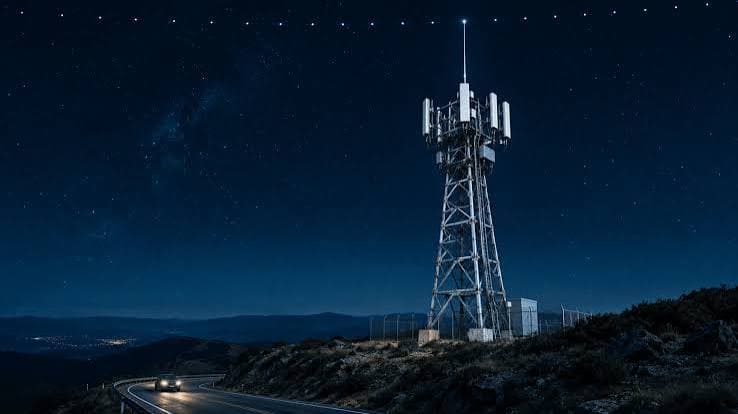
SpaceX is developing miniature rooftop cellular towers, with manufacturing set to begin in 2027, to eliminate mobile signal dead zones, particularly indoors. This move aims to complement Starlink's satellite network for improved connectivity.
SpaceX is developing miniature cellular towers designed for rooftops, a move aimed at eliminating mobile signal dead zones, especially indoors. CEO Elon Musk confirmed this development during an interview at the DealBook Summit this week, with manufacturing anticipated to start in 2027.
These compact base stations are intended to complement SpaceX's existing Starlink satellite network. Musk explained that while Starlink's direct-to-cell service is powerful, it still faces limitations when signals need to penetrate buildings, particularly those with metal roofs or thick structures. The new rooftop devices will tackle this problem by bringing cellular infrastructure closer to the users.
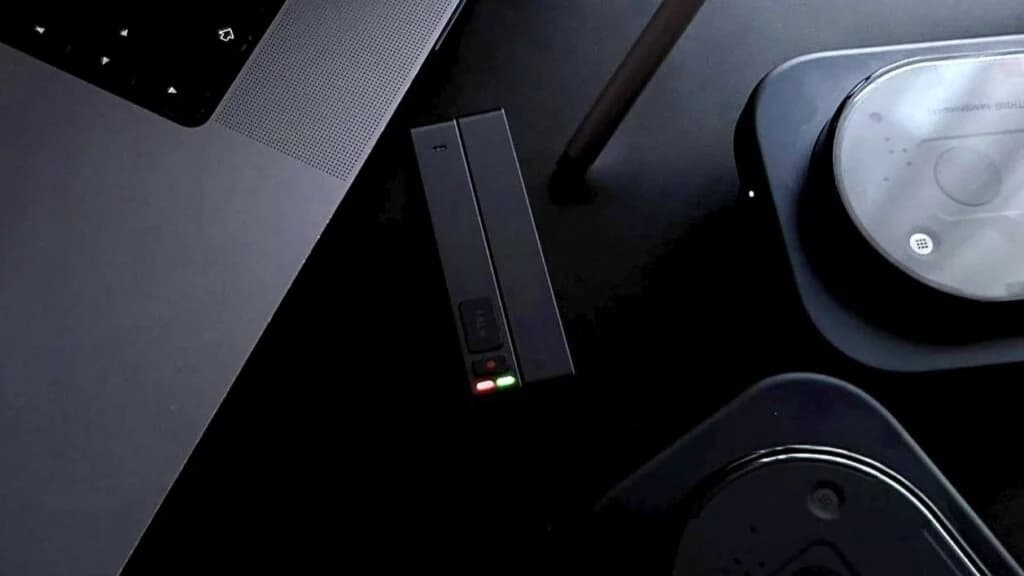
The company has finished designing these small, cell-based base stations, which could be mounted on rooftops much like current Starlink satellite dishes. This initiative builds on earlier comments from SpaceX President Gwynne Shotwell in August 2026, where she mentioned the company would consider small, low-power cell base stations instead of large towers, as Mint Technology reported.
SpaceX is also considering selling these mini base stations alongside its current Starlink terminals. This strategy indicates a broader push towards a hybrid satellite and terrestrial wireless network, expanding mobile connectivity in more locations, which could eventually benefit Indian users facing similar indoor network challenges.
Starlink Direct-to-Cell V2 and Spectrum Expansion
Beyond the rooftop towers, SpaceX is preparing to significantly upgrade its Direct-to-Cell satellite network. The company plans to launch its next-generation constellation, known as V2, in 2027. Musk stated this new constellation will offer bandwidth up to 40 times higher than the current one.
SpaceX has been actively working to secure more spectrum for its wireless ambitions. The company received approval from the US Federal Communications Commission (FCC) in 2024 for its direct-to-phone satellite broadband network and its partnership with T-Mobile. Furthermore, SpaceX inked a $17 billion spectrum deal with EchoStar in 2025 and agreed to acquire an additional $8 billion in low-band spectrum in 2026. This extensive spectrum acquisition, combined with satellite coverage and the new rooftop cellular infrastructure, is crucial for expanding its cellular network.
AI and Robots to Drive Future Bandwidth Demand
Elon Musk also shared his perspective on the future of wireless demand. While the wireless push from SpaceX could affect traditional telecom giants like AT&T and Verizon, Musk does not believe these carriers will be eliminated. He suggested they might see some revenue shifts, but argued that overall demand for wireless bandwidth would increase significantly.
Musk anticipates that AI systems, superintelligence, and robots will become major consumers of network bandwidth. These technologies will require substantially higher bandwidth than human users, thereby creating new opportunities for the entire telecom industry. This long-term vision underpins SpaceX's aggressive expansion into mobile connectivity.
For Indian consumers, this development signals a potential future where even the most stubborn indoor dead zones could become a thing of the past. While manufacturing is slated for 2027, the rollout and availability of these new solutions will depend on regulatory approvals and strategic partnerships in different regions. It is a significant step towards more pervasive and reliable mobile connectivity globally.