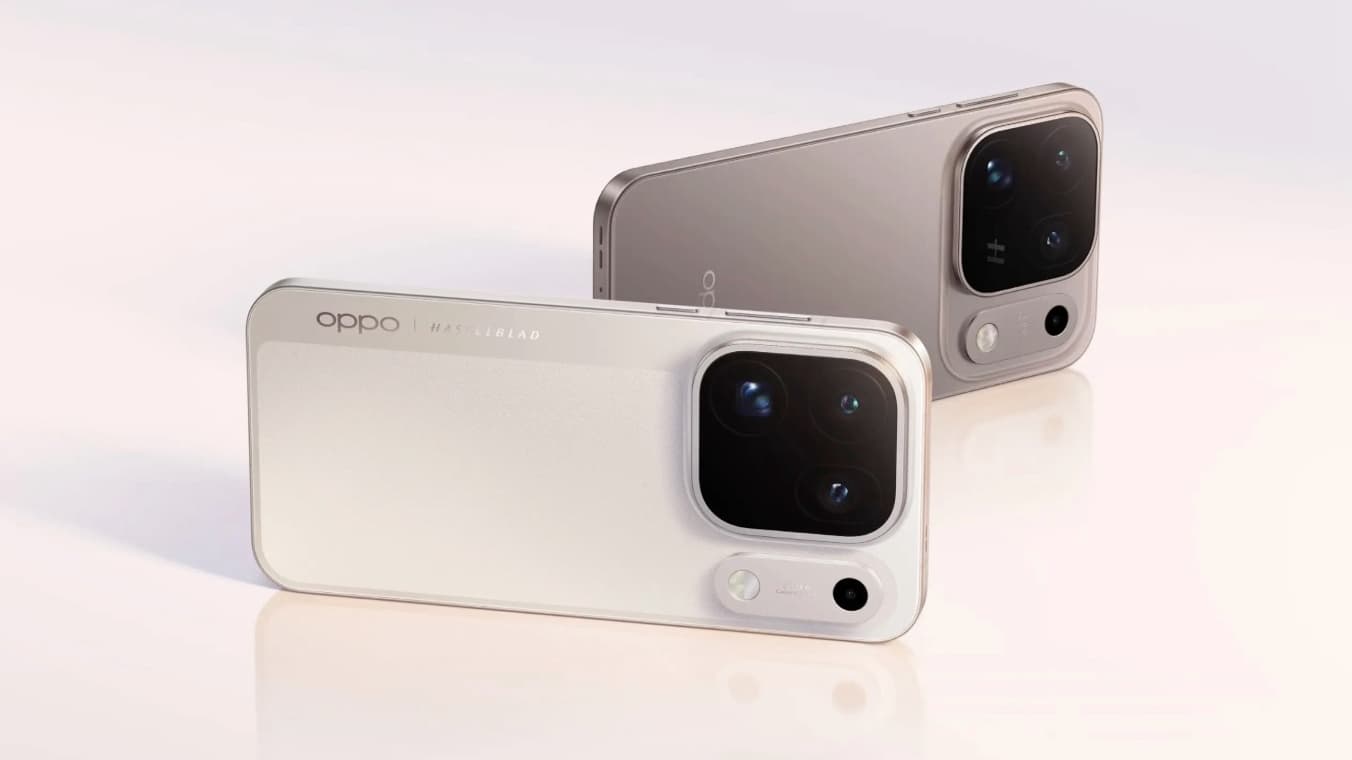
OPPO announced ColorOS 17 globally on October 13, bringing system-level AI capabilities and a new 'Living Flow Design' for improved fluidity. It will debut on the upcoming Find X10 Series.
OPPO announced ColorOS 17, its latest mobile operating system, globally on October 13, 2026. This new version promises a higher level of fluidity and smarter, system-level AI features for users worldwide. It will first appear on the upcoming Find X10 Series, with a progressive rollout to other OPPO devices.
Refined Smoothness with Living Flow Design
A major focus for ColorOS 17 is making the user experience feel significantly smoother. OPPO calls this the "Living Flow Design," built around three core ideas: Luminous Effect, Fluid Motion, and Flexible Feedback. This means softer, more translucent visuals that guide your attention, interface elements that move and transform without a hitch, and interactive components that visibly compress, stretch, and rebound in response to your taps. It's meant to make everything, from app transitions to everyday interactions, feel more natural and immediate across the system.
Under the hood, ColorOS 17 uses a Unified Rendering Architecture with a refreshed Luminous Rendering Engine. According to OPPO, this new architecture combines previously separate rendering processes, cutting rendering loads by up to 30% and RAM usage for rendering by up to 25% in key scenarios. This should keep interactions responsive even when your phone is working hard.
The operating system also features an upgraded Laminar Flow Engine, an intelligent resource scheduling system. OPPO says this engine improves app launch stability by 55% and loads Gallery thumbnails up to 50% faster on the first launch compared to ColorOS 16. For those who multitask heavily, ColorOS 17 can keep over 25% more apps running in the background, making switching between them much smoother. Importantly, OPPO claims ColorOS 17 retains over 90% of its initial smoothness even after simulating six years of use, with storage at 90% capacity. That's a big deal for device longevity, especially for Indian users who often hold onto their phones for longer durations.
Expanded AI with Agentic Capabilities
Beyond pure performance, ColorOS 17 significantly expands OPPO AI with system-level agentic capabilities. The new AI Mind Pilot introduces an Agent Mode that can interact directly with your device's photos and files. It can search across multiple sources, use various tools, and coordinate multiple steps to complete complex tasks based on your requests. For instance, it can find and organize scattered files, rename them by content and date, or create new outputs like travel itineraries or webpages from existing information. It can even sort photos from a specific trip into albums or turn a selected photo into a vlog cover.
Photo editing gets smarter with AI Photo Agent. Users can provide a reference image, and Style Match will apply a similar color palette, tone, and mood to their own photos. You can also describe the edits you want in natural language, or let the AI recommend suitable adjustments based on the scene and subject. This sounds like a powerful tool for casual photographers who want quick, intelligent edits without deep technical knowledge.
OPPO's personal information hub, AI Mind Space, also sees a major upgrade. You can now save documents and video links, with the AI recognizing their content and turning them into structured, searchable "personal memories." As your saved information grows, new Memory Collections automatically organize related items into useful collections and summaries. For travelers, it can combine saved content with destination maps to create personalized trip plans based on saved places, ideas, and information.
Then there's AI Mind Suggest, which proactively brings relevant information and services at the right moment. This could be a morning brief, timely travel reminders, or flight and train cards showing key journey details. It can also recommend music when headphones are connected, making services available exactly when you need them.
Finally, OSee integrates all of OPPO's visual AI capabilities into one experience. A single press of the camera shutter can intelligently understand objects and scenes, connecting you to services like object recognition, knowledge lookup, nutrition analysis, high-definition scanning, and translation. This means you don't have to switch between multiple separate apps for visual tasks.
Availability for Indian Users
ColorOS 17 is set to debut on the upcoming Find X10 Series and will roll out progressively to more OPPO devices worldwide. While specific India rollout dates or a confirmed list of devices receiving the update beyond the Find X10 Series are not yet available, OPPO's progressive rollout plan usually means it will reach a wide range of devices eventually. For Indian buyers, the combination of long-term performance and intelligent AI features could significantly enhance the daily smartphone experience. It's worth keeping an eye out for official announcements on Indian availability, which usually follow global unveils by a few weeks or months for major software updates.