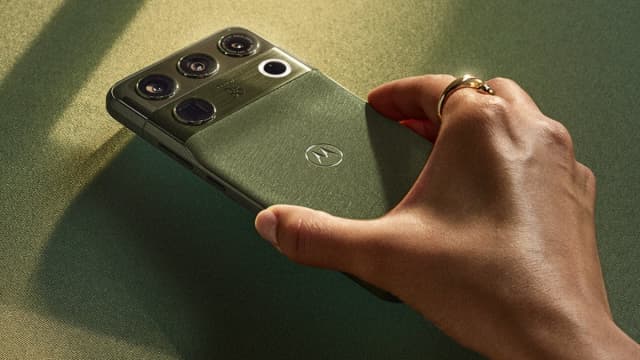
Motorola has officially unveiled its Signature 27, billed as the 'world's fastest Android smartphone' with a unique camera system. Priced at $1,599 in the US, it brings top-tier specs and premium audio to the flagship segment.
Motorola has finally, thankfully, fully unveiled its new flagship smartphone, the Signature 27. The company is billing it as the 'world's fastest Android smartphone' and featuring what it calls the 'world's brightest display'. According to PetaPixel, this high-end device will arrive on November 19 with a premium price tag of $1,599 in the US market.
Snapdragon 8 Elite Extreme Gen 6 Powers 'World's Fastest' Claim
At the core of the Motorola Signature 27 is Qualcomm's leading mobile chip, the Snapdragon 8 Elite Extreme Gen 6. This powerful processor features an eight-core CPU, including six performance cores, along with a suite of advanced features. On paper, these specifications certainly make a strong case for its performance claims, positioning it as a top contender for raw processing power.
A Camera System Designed for Excellence, and a Unique Sensor
Motorola has put a significant focus on the Signature 27's camera capabilities. The device includes a 50-megapixel Sony Lytia 910 main camera. This sensor incorporates LOFIC technology, which promises expanded dynamic range and improved low-light image quality.
The camera system also features a 200-megapixel periscope telephoto lens with 100x Super Zoom, and a 50-megapixel ultrawide camera. While Motorola has not specified the manufacturers for these sensors, they are Type 1/1.56 for the telephoto and Type 1/2.76 for the ultrawide, which are standard sizes for high-end phones.
Notably, the Signature 27 introduces a first-ever dedicated 'EVS action sensor', or Event Vision Sensor. This assistant-like sensor detects pixel-level changes in light intensity in real time, working with Action Mode to more effectively freeze fast-moving subjects.
Despite Motorola's claim of having 'the world's best camera system launched in 2026', DxOMark actually rated the Signature 27 as the second-best smartphone camera system currently available. It sits behind last year's Huawei Pura 80 Ultra, though it does rank ahead of the Apple iPhone 18 Pro.
World's Brightest Display, With a Catch
The display on the Motorola Signature 27 is a 6.9-inch LTPO Extreme AMOLED panel, featuring Tandem OLED technology. This combines two emissive layers and is touted to deliver an astounding peak brightness of up to 12,000 nits. However, as is often the case with such high numbers, this is a localized peak brightness, not full-screen, and will likely be limited to very specific situations. Still, that's an exceptionally bright display for a smartphone.
Premium Audio by Bang & Olufsen
Motorola recently signed a multi-year partnership with Bang & Olufsen, and the Signature 27 is the first beneficiary. It features B&O's audio expertise in both hardware and software, with an all-new speaker architecture designed to deliver a premium audio experience.
Pricing and India Outlook
The Motorola Signature 27 is priced at $1,599 in the U.S. market. Converting this to Indian Rupees, it would be approximately ₹1,32,700 (using an exchange rate of ₹83 to $1). This places it firmly in the ultra-premium segment, competing with devices like Samsung's Galaxy S Ultra series and Apple's iPhone Pro Max models.
While the Signature 27 certainly packs impressive specifications, there is currently no information available regarding its launch or pricing in India. Given Motorola's recent strategy in the Indian market, which has seen a mix of value-focused devices and niche flagships like its Razr foldables, it remains to be seen if this top-tier slab phone will make its way to Indian shores. If it does, its premium pricing will mean it caters to a very specific, high-end audience.
Indian consumers looking for the absolute cutting-edge in Android performance and camera technology might be interested in the Signature 27's capabilities. However, without confirmed India availability and pricing, it's a case of wait and watch for now.