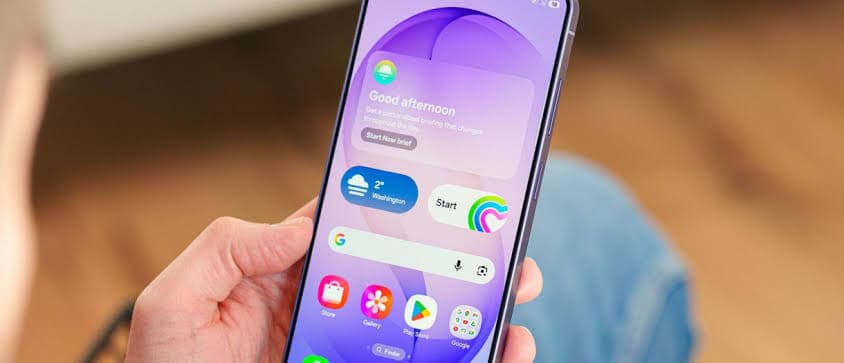
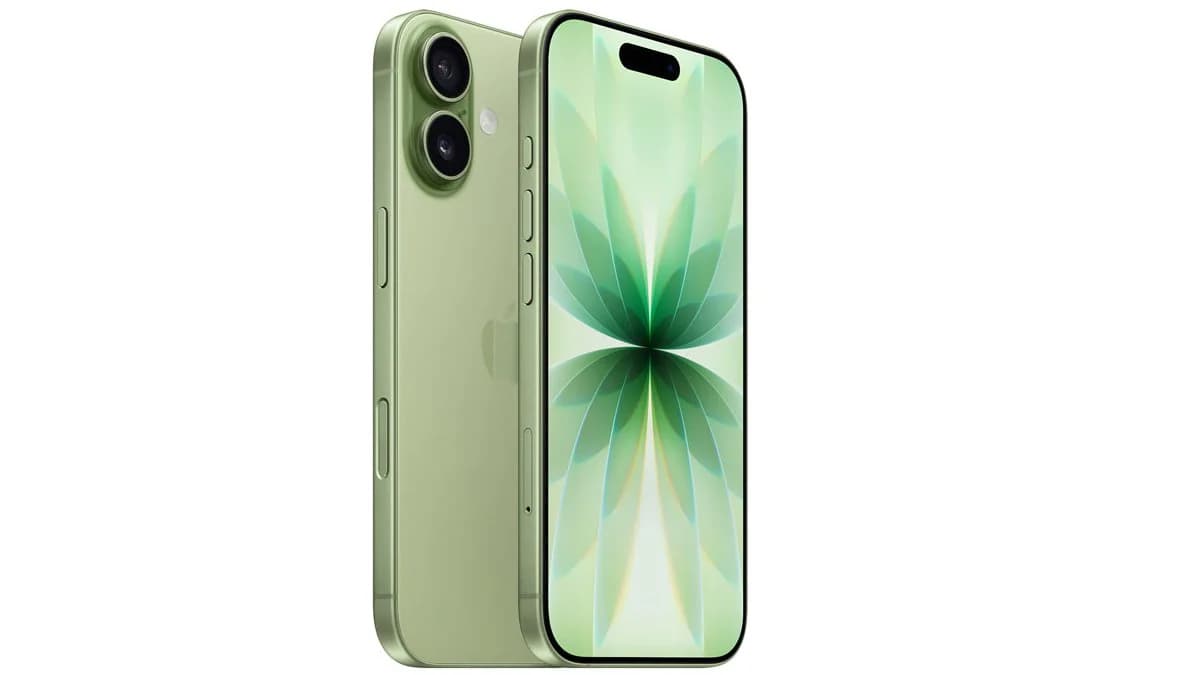
Apple's iPhone Duo and Samsung's Galaxy Z Fold 8, the 2026 flagship foldables, are here, each offering a distinct approach to the foldable screen and one-handed use. Our detailed comparison looks at their differing philosophies.
The 2026 flagship foldables, Apple's iPhone Duo and Samsung's Galaxy Z Fold 8, are taking distinct paths in how they approach the nascent foldable market, especially when it comes to their defining feature, the folding screen. According to Mint Technology, these differences extend significantly to their one-handed modes and overall design.
One-Handed Operation: A Study in Contrasts
For one-handed interaction, the iPhone Duo features a compact 5.4-inch outer OLED screen. Apple's design places the dock and primary navigation controls in a fixed vertical column down the right side of the screen in certain modes. This design choice squeezes active content to the left, which could prove tricky for left-handed users, as the right-side control column cannot be moved.
In contrast, the Samsung Galaxy Z Fold 8 opts for a slightly larger 5.5-inch passport-style outer OLED screen. Samsung takes a more traditional route with rectangular display proportions on its cover screen, coupled with deep software-level adjustments for one-handed use. Crucially, the Galaxy Z Fold 8 does not impose such restrictions, even allowing for third-party launchers which can offer more personalised custom gestures and layouts.
Displays and Design Philosophies
Both flagships feature a 7.6-inch main display when unfolded. The iPhone Duo sports a folding ProMotion OLED screen, while the Galaxy Z Fold 8 comes with a Dynamic AMOLED 2X main display, complete with a 120Hz refresh rate. Interestingly, as noted by The New York Times, both outer displays share a 1.4:1 aspect ratio, which is well-suited for scrolling social media, streaming content, and reading ebooks.
Apple's first foldable smartphone, the iPhone Duo, boasts an ultra-thin titanium design. However, a review by Samsung Guru mentioned that the chances of users accidentally smudging the iPhone Duo's camera are much higher when compared to the Fold 8. The Galaxy Z Fold 8, on the other hand, focuses on a lighter design and a large working area. Its camera bar runs horizontally when unfolded in portrait mode, a thoughtful design choice that means a user's left hand is less likely to cover the lenses.
Performance and Power: A Glimpse Under the Hood
Under the hood, the iPhone Duo is powered by Apple's A20 Pro Chip, while the Samsung Galaxy Z Fold 8 gets the Snapdragon 8 Elite Gen 5 for Galaxy processor. In terms of memory and storage, the Galaxy Z Fold 8 offers configurations up to 16GB RAM and 1TB storage.
Battery capacities are quite close, with the iPhone Duo featuring a 4,883 mAh split battery system and the Galaxy Z Fold 8 equipped with a 4,800 mAh battery. Other key features for the iPhone Duo include a 48MP Dual Fusion Camera Setup, Dual Preview, and Side Button Touch ID. The Galaxy Z Fold 8 includes a 50MP Wide camera and a 50MP Ultra Wide camera.
What This Means for Indian Buyers
For Indian consumers considering a premium foldable, the choice between the iPhone Duo and Galaxy Z Fold 8 will likely hinge on ecosystem preference and usability. Those deeply embedded in Apple's ecosystem might find the iPhone Duo's arrival a compelling reason to finally jump into the foldable space without leaving their preferred platform.
Conversely, users who value extensive customisation and software flexibility, especially in how they interact with their device one-handed, might lean towards the Galaxy Z Fold 8. Its open approach to launchers and thoughtful design for left-handed use could be a significant differentiator. Both devices push the envelope for foldable technology, making the decision less about raw power and more about personal user experience and design philosophy.