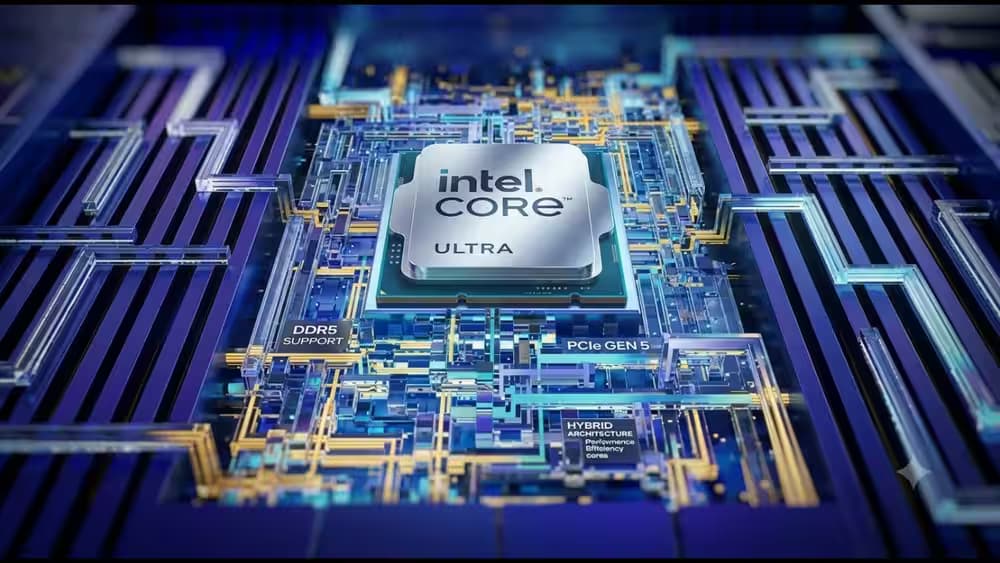
Intel and AMD are reportedly considering a renewed focus on DDR4 RAM, according to Business Upturn. This shift is due to soaring DDR5 memory prices, making PC upgrades more expensive for Indian consumers.
Intel and AMD are reportedly turning their attention back to DDR4 memory, as soaring DDR5 RAM prices are making PC upgrades harder for consumers globally, according to a report by Business Upturn.
This move, if it materialises, signals a significant shift in strategy for both chipmakers, who have largely been pushing users towards the newer, faster DDR5 standard with their latest processor generations. The primary reason for this reported pivot is the persistently high cost of DDR5 memory modules, which adds a considerable premium to new PC builds and upgrades.
For Indian PC builders and upgraders, this news could be quite impactful. DDR5 RAM has been noticeably more expensive than its DDR4 counterpart in the local market, often widening the budget gap for those looking to assemble a new high-performance system. Many existing users still have DDR4-compatible motherboards, and the idea of upgrading to a new CPU often necessitates a jump to DDR5, increasing the overall cost significantly.
Exactly what "turning back to DDR4" entails isn't specified in the report. It could mean Intel and AMD plan to extend DDR4 support on upcoming chipsets, or perhaps introduce new budget-friendly platforms that exclusively use DDR4. Either way, it would provide a more affordable pathway for consumers to upgrade their processors without also needing to shell out for costly DDR5 RAM and potentially new motherboards.
On paper, DDR5 offers higher clock speeds and greater bandwidth compared to DDR4. However, for many mainstream users and even some gamers, the real-world performance difference often doesn't justify the current price premium. If Intel and AMD offer modern CPUs with robust DDR4 support, it could make high-performance computing more accessible, especially in price-sensitive markets like India.
Consumers in India who are currently planning a PC build or an upgrade might want to watch this space closely. If more affordable, DDR4-compatible new-gen platforms become available, it could represent substantial savings. However, details on specific products, timelines, or pricing for such a move are not yet confirmed, so waiting might mean delaying your upgrade without a guaranteed outcome.
Ultimately, this reported shift by Intel and AMD highlights the market's response to component pricing. It suggests that despite the performance benefits of DDR5, affordability remains a critical factor, especially when considering the total cost of ownership for a new PC.
Source: Business Upturn.