Canon has released its free Dual Pixel 3D imaging software, allowing select EOS R camera users to generate immersive 3D images and models. This tool, available since October 2026, works without specialized equipment but requires specific camera models and Windows 11.
Canon has officially rolled out its Dual Pixel 3D imaging software, a free tool designed to convert standard photos into immersive 3D images and models. Launched in October 2026, the software, called the 3D converter app, aims to bring a new dimension to photography for owners of select Canon EOS R series cameras.
The core technology behind this software is Canon's Dual Pixel CMOS AF sensor. This sensor, which the company first introduced in 2013, has two photodiodes per pixel. While they typically combine for a regular 2D image, this new software can read them independently. It then uses these phase differences with a proprietary algorithm to create a 3D rendering from a still photograph.
For now, you can download the Dual Pixel 3D Converter software for free directly from Canon's website. However, there's a crucial detail in the fine print: Canon's press release stated the app "will initially be available free of charge," but its "specifications and terms of use may change in the future." This has led to speculation that it could eventually become a paid service or a subscription, a factor Indian users should definitely consider before investing time into the platform.
System requirements for the software are quite specific, needing Windows 11 (2024 version or later) to run. Once installed, users can import their images, customise 3D generation settings, and export the resulting models in popular formats like OBJ, GLB, and MP4 video for further editing in external 3D software.
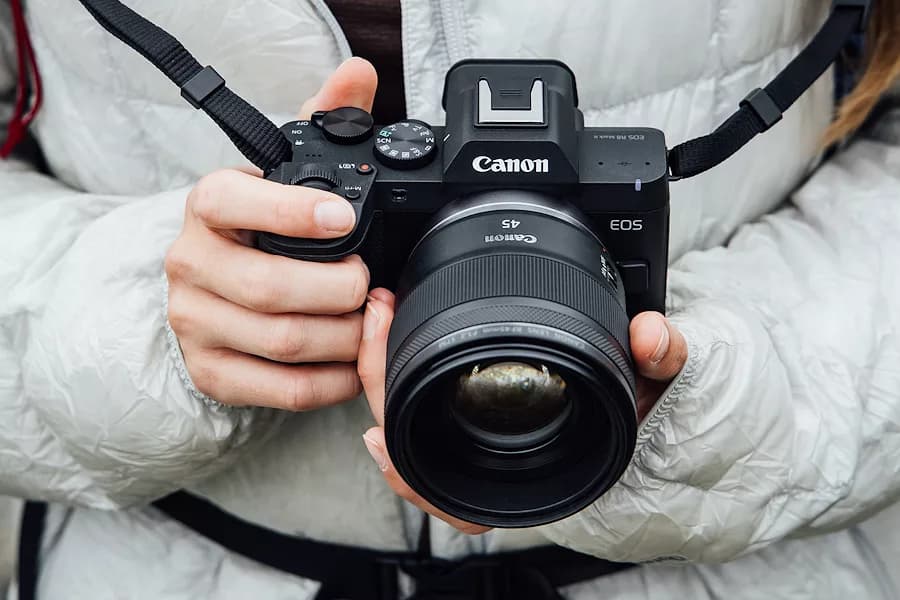
Not every Canon camera is compatible. The software specifically relies on cameras featuring the Dual Pixel CMOS AF system from the EOS R series. The earliest compatible model is the Canon EOS R5, released in 2020. Other compatible cameras include the EOS R3, EOS R6 Mark II, EOS R7, EOS R8, EOS R10, EOS R50, and EOS R100. Notably, the EOS R5 Mark II has received strong praise from Engadget writers, suggesting its capability for this new feature is likely robust.
Beyond the camera body, you also need to pair it with a compatible RF lens. The list includes several popular options like the RF24-105mm F4 L IS USM, RF24-70mm F2.8 L IS USM, RF50mm F1.8 STM, and RF100mm F2.8 L MACRO IS USM, among others. Given the EOS R series is Canon's most advanced, featuring high-end specs like cinematic 4K video at 120p and 8-stop image stabilization, these cameras and lenses tend to be on the more expensive side, making this a niche tool for serious enthusiasts and professionals in India.
To get the best 3D results, Canon recommends specific shooting practices. Setting your camera's aperture between f/5.6 and f/8 helps maintain depth and reduce errors. Keeping ISO at 1600 or lower minimises noise, with 3D models not generating at ISOs greater than 3200. You'll also need to enable Dual Pixel RAW or Add Distance to JPEGs in your camera settings, depending on your image format.
For subject matter, the company suggests photographing objects with matte textures and simple, thick shapes, such as flowers with rounded petals or ceramic items. It's best to avoid slender shapes, strong reflections, multiple blind spots, or significant blur. Following these guidelines will ensure your Canon EOS R camera, combined with the new software, can deliver the most detailed and immersive 3D images.