With tech prices soaring, the pre-owned phone market is a popular choice for many. Checking a phone's unique IMEI number is crucial to avoid scams and ensure you're getting a legitimate device.
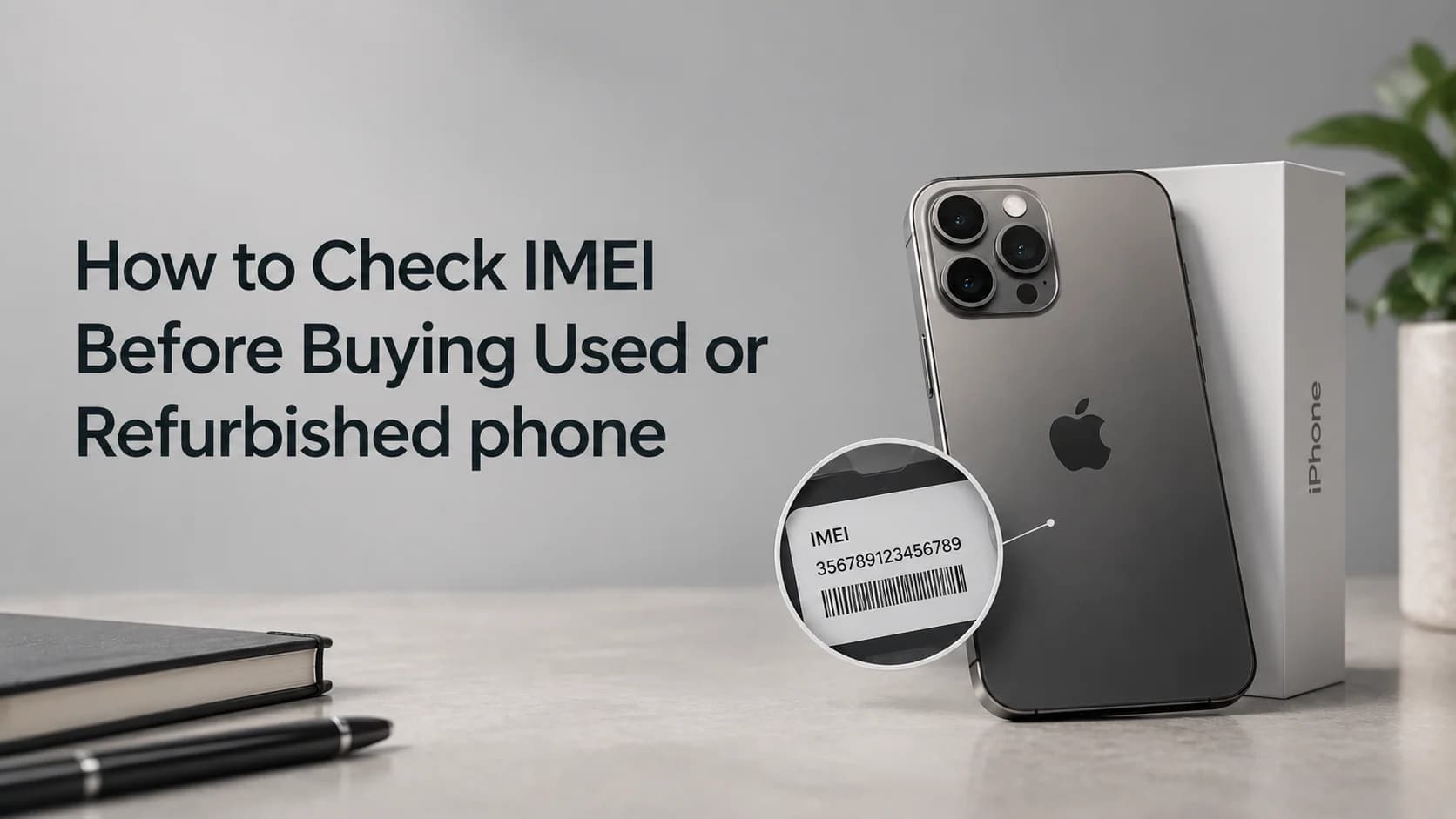
As smartphone prices continue to climb, buying a pre-owned device has become a smart and necessary option for many Indian consumers looking for value. However, the secondhand market, whether through online platforms like eBay and Facebook Marketplace or local repair shops, comes with its own set of risks. One critical step you absolutely shouldn't skip is checking the phone's International Mobile Equipment Identity (IMEI) number.
This unique 15-digit code can reveal a lot about a phone's history, helping you avoid potential scams and ensuring you don't end up with a stolen or problematic device. It's a simple precaution that can save you a lot of trouble down the line.
What Exactly is an IMEI Number?
Every mobile device comes with a unique 15-digit IMEI number. Think of it as your phone's fingerprint. Network providers use this number to register your device and identify it on their network. More importantly, if a phone is ever lost or stolen, its owner can contact their service provider and have that specific IMEI number blacklisted. This effectively renders the phone unusable on most networks, making it less attractive to thieves and making it harder for illicit sellers to move stolen goods.
For you, as a potential buyer, an IMEI check is your first line of defense against unknowingly purchasing a stolen phone or one with a compromised past.
How to Get and Find a Phone's IMEI
When you're considering a pre-owned phone, you should always ask the seller for its IMEI number. A reputable seller should provide this information without hesitation. If a seller refuses or seems evasive, consider that a major red flag, as they might be trying to sell goods that are not legitimately theirs.
There are several ways to find a phone's IMEI number:
- Dial *#06#: The quickest method is to simply open the phone's dialer and type *#06#. The IMEI code should instantly pop up on the screen.
- Check the settings: Generally, you can find the IMEI within the phone's settings menu, often under 'About Phone' or 'System Information'.
- Look at the packaging or receipts: If the original packaging or purchase receipts are available, the IMEI number is usually printed on them.
- Contact the network provider: In some cases, the original owner might have the IMEI listed on their network provider account.
Sellers should ideally share the IMEI with serious buyers through private messaging. It's also a good idea for buyers to keep screenshots of this conversation for their records.
What to Do After Getting the IMEI
Once you have the IMEI number, the next crucial step is to verify its validity and check if the phone has been reported as lost or stolen. There are many online services available for this, some free and others charging a small fee. These services can confirm if the IMEI is legitimate and whether it's on a blacklist.
Before using any online IMEI checker, do your research. Ensure the site is reputable to avoid falling for phishing scams. A quick search will usually show you which sites are trustworthy and widely used.
Key Takeaways for Indian Buyers
In the bustling Indian pre-owned market, vigilance is key. While cleaning and checking for physical defects are important, the IMEI check offers an invisible layer of security. It's a simple, yet powerful tool to protect yourself from buying a device with a questionable past. Don't rush into a purchase. Take your time, get the IMEI, verify it, and then make an informed decision. This small step can save you from a huge headache later.