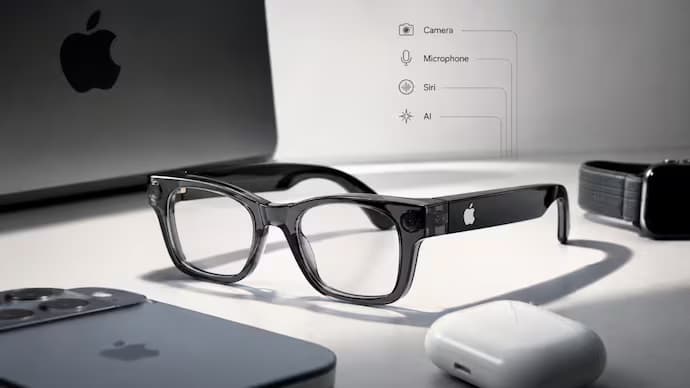
Apple is reportedly developing Siri-powered smart glasses, codenamed N50, with a planned unveiling at WWDC 2027. These glasses aim to let users control apps like Uber and Starbucks via voice commands, working alongside an iPhone.
Apple is reportedly gearing up to make Siri AI the main feature of its upcoming smart glasses, codenamed N50, with a planned unveiling at the Worldwide Developers Conference (WWDC) in June 2027. Production for these wearables is expected to begin before the end of this year, according to a report from Mint Technology, citing Bloomberg's Mark Gurman.
The tech giant's strategy centers on Siri's integration with third-party applications. This would allow users to handle everyday tasks without needing to reach for their iPhones. For Indian users, imagine booking an Uber ride or ordering coffee from Starbucks just by speaking to your glasses, a convenience that could be quite appealing given the widespread use of these services here.
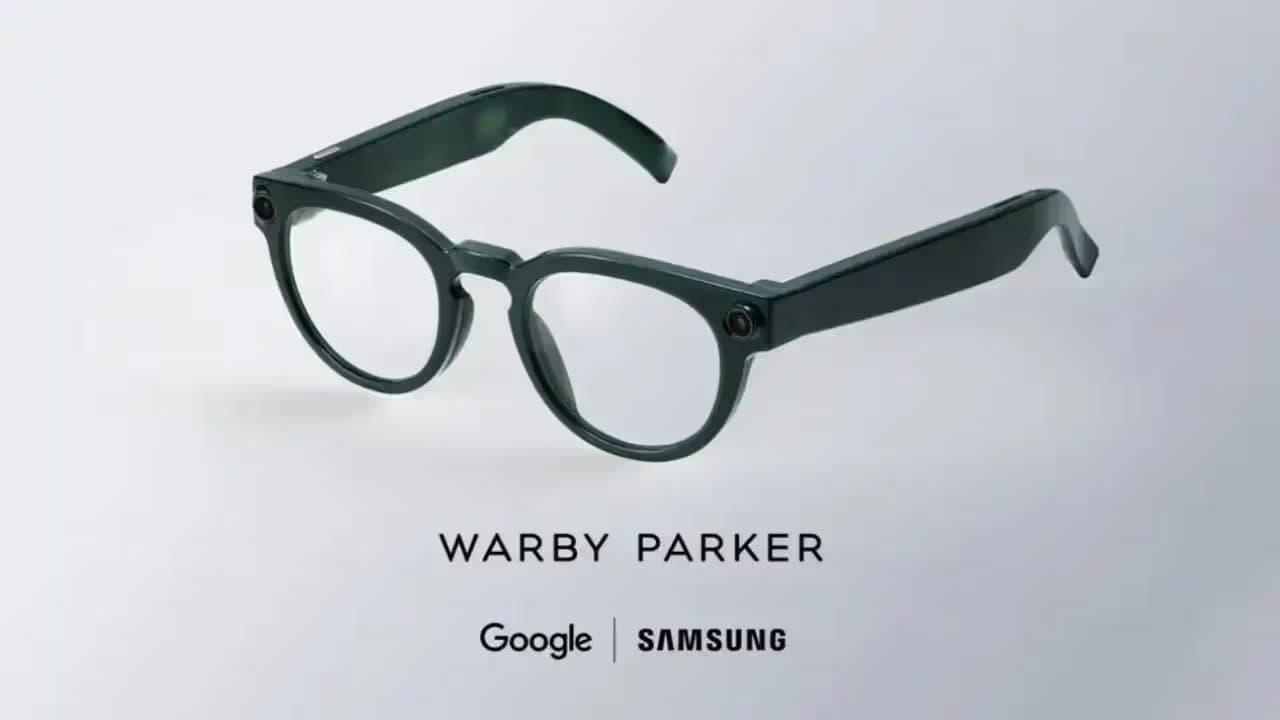
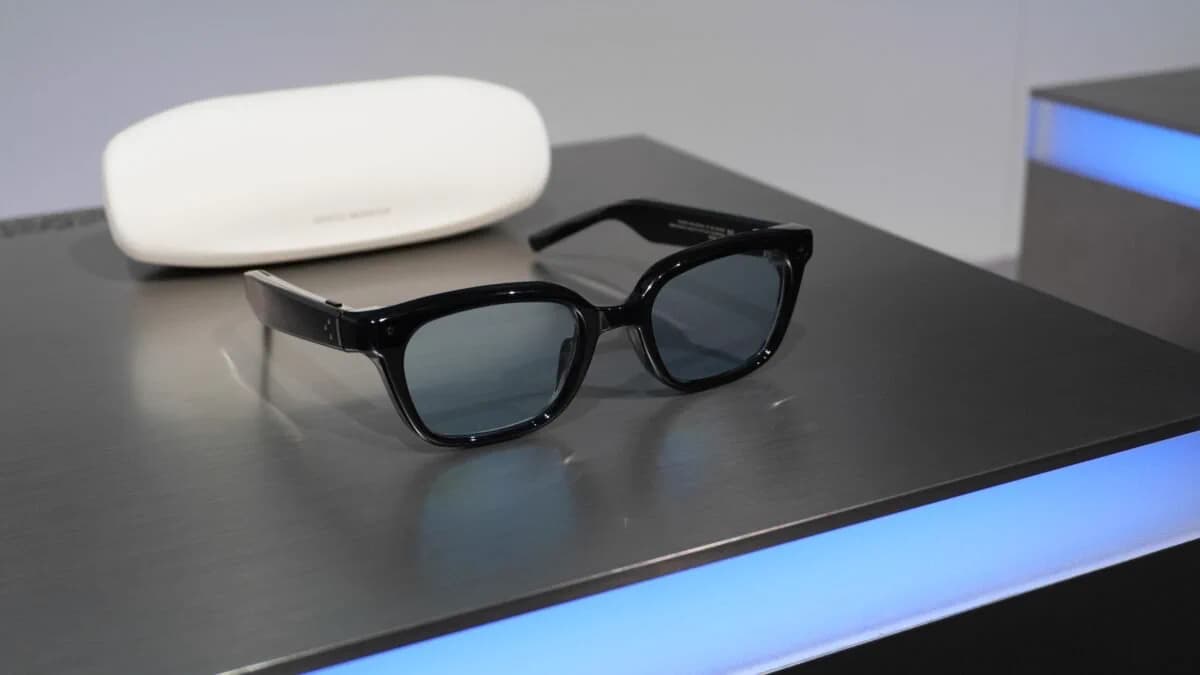
Apple hopes this approach, leveraging its developer ecosystem and Siri's ongoing enhancements, will help its new wearable stand out against competition from players like Meta and Google in the AI-powered smart glasses segment.
Siri AI and Third-Party App Control
The core idea is to give users access to some iPhone features purely through voice commands on the smart glasses. Siri would enable actions like booking restaurant tables on OpenTable, hailing rides on Uber and Lyft, placing coffee orders from Starbucks, and purchasing movie tickets on Fandango, all without opening the respective apps.
Apple is preparing its own apps for this integration with the launch of iOS 27.3 in December 2026. Gurman reported that support for third-party developers might follow in a later release, giving them time to adapt their services for this new 'glasses' ecosystem.
Interestingly, these first-generation glasses will not feature augmented reality displays. Instead, the focus appears to be on practical features such as Visual Intelligence, navigation, calls, messaging, live translation, notifications, and smart home controls. The glasses will function in tandem with a paired iPhone, with third-party applications actually running on the smartphone rather than directly on the wearable itself. Apple is also reportedly testing a customised version of VisionOS 28 for these glasses, along with a chip based on older Apple Watch chips.
iPhone Duo 2: Face ID and Design Changes
Separately, Mint Technology also reported on developments concerning Apple's second-generation foldable handset, codenamed V78, the iPhone Duo 2. Apple is focusing on integrating Face ID into this device, with Gurman indicating that prototypes featuring facial recognition technology on the outer display have already been developed.
The iPhone Duo 2 is also expected to include an action button, with suggestions that it could work alongside the camera control button to free up internal space on the device. Other potential enhancements include a telephoto camera and a slimmer, lighter design.
However, the inclusion of Face ID remains uncertain. If Apple aims for a Fall launch for the second-generation foldable iPhone, the company has limited time to finalise the integration. Gurman also added that customer feedback on the first-generation iPhone Duo is unlikely to influence hardware changes until the third generation, which is already in progress.